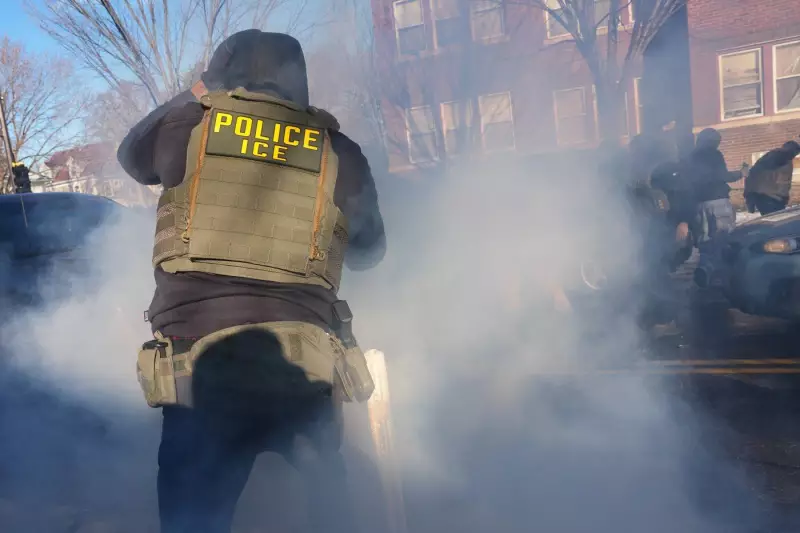
Former U.S. President Donald Trump has stated there is no present justification to deploy the Insurrection Act in response to ongoing civil unrest in Minneapolis, Minnesota. The declaration comes amid sustained protests following the fatal shooting of a woman by an Immigration and Customs Enforcement (ICE) officer.
Context of the Unrest
The situation in Minneapolis escalated after Renee Good was fatally shot by an ICE officer last week. Protests have continued in the days since, with a notable incident occurring on Tuesday, January 13, 2026. During that demonstration, authorities deployed tear gas against protesters gathered near the scene of the shooting, as captured in an Associated Press photograph by Adam Gray.
Trump's Stance on Federal Intervention
When questioned about the potential use of the Insurrection Act—a law that allows the U.S. president to deploy the military domestically to suppress civil disorder—Trump was definitive in his current assessment. He indicated that, as of now, he sees "no reason ‘right now’" to enact the powerful measure in Minnesota. This statement marks a significant moment, as the use of the act has been a topic of intense debate during periods of national protest.

Broader Implications and Ongoing Tensions
The decision not to pursue the most extreme federal intervention option leaves the management of the Minneapolis protests primarily in the hands of state and local authorities. However, Trump's statement does not preclude a future change in position should the situation deteriorate. The protests underscore deep-seated tensions surrounding immigration enforcement and police actions, issues that have repeatedly sparked national dialogue and street demonstrations across the United States and in Canada. The community's response and the official investigations into the shooting will likely continue to influence the political and social landscape in the coming weeks.