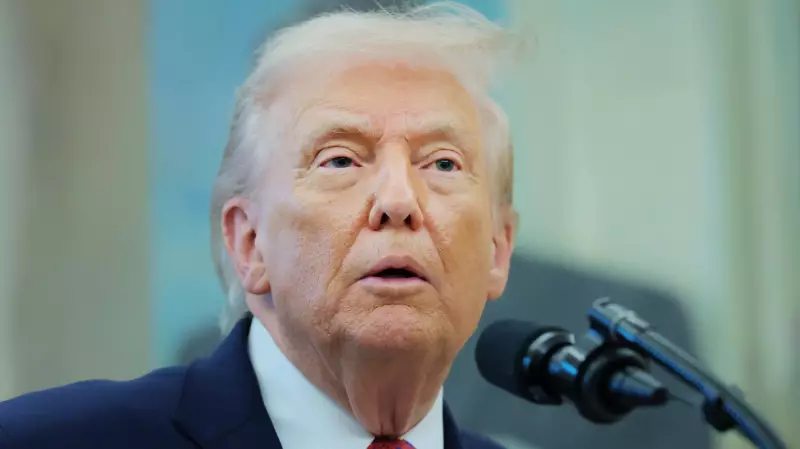
Former U.S. President Donald Trump has significantly revised the estimated cost for constructing a new ballroom at the White House, now placing the price tag at a staggering $400 million. He made the announcement during a Hanukkah reception event held at the White House on Wednesday.
Escalating Costs and Donor Pledges
The projected budget for the controversial construction project, which required the demolition of the East Wing, has been steadily climbing. Trump initially cited a cost of $250 million, later adjusting it to $300 million, before settling on the new figure of $400 million during his recent speech.
"We’re donating a $400 million ballroom," Trump stated, emphasizing the donation aspect. He elaborated, claiming he often builds under budget but quoted the higher figure to avoid criticism for potential overruns. A consortium of major American technology and telecommunications companies has pledged financial support for the venture. Amazon, Google, Meta, Microsoft, and T-Mobile are among the confirmed donors for the ballroom project.

Features and a Planned 2028 Opening
Trump touted the future venue's security and aesthetic features, calling it "the most beautiful ballroom." He highlighted its intended use for presidential inaugurations and described its robust security measures. The structure will feature five-inch-thick glass windows described as "impenetrable by anything but a howitzer." Despite the bold claims, the former president joked about his own exit strategy should the windows be tested.
The ballroom extension is currently under construction and is scheduled for completion in the summer of 2028. However, the project continues to attract scrutiny. Critics have raised pointed questions about the long-term financial sustainability of the venue, specifically inquiring about who will be responsible for covering ongoing maintenance costs once the building is finished.
Ongoing Questions and Financial Scrutiny
While the donor list addresses the initial construction funding, the issue of perpetual upkeep remains unresolved. The project's rising cost estimates and the involvement of private corporate donors in a public institution's infrastructure continue to fuel debate and analysis among political and financial observers. The development underscores ongoing discussions about the blending of private funding with federal property projects during the Trump administration.