Purim Festivities Relocate to Bomb Shelters as Israelis Face Iranian War Threats
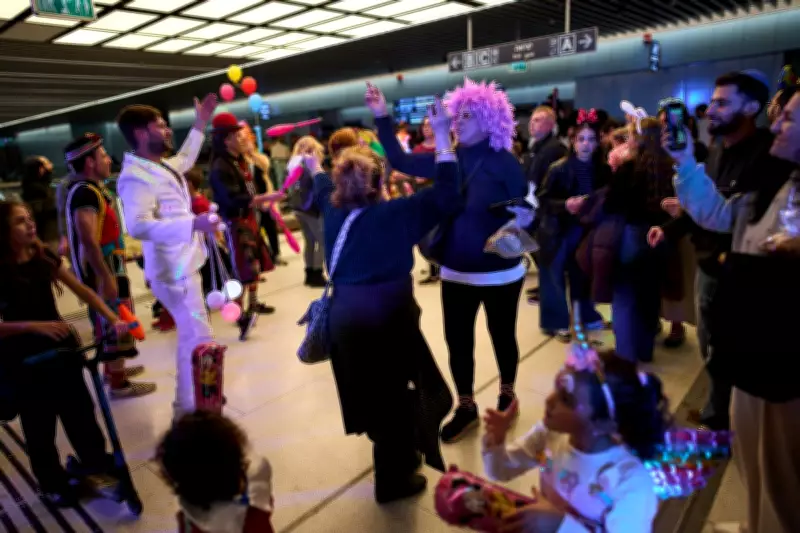
In a stark reflection of ongoing regional tensions, Israelis marked the joyous Jewish holiday of Purim in bomb shelters and underground metro stations, shifting celebrations due to fears of potential Iranian missile attacks. The adaptation occurred on Monday, March 2, 2026, as communities across Israel, including in Ramat Gan, transformed secure spaces into festive venues.
Celebrating Under the Shadow of Conflict
Traditionally characterized by costumes, feasting, and public revelry, Purim this year saw participants donning masks and outfits in fortified locations. AP photos captured scenes of people gathering in an underground metro station repurposed as a shelter, highlighting the blend of holiday spirit with security precautions. This move comes amid escalating rhetoric and military posturing between Israel and Iran, with recent strikes and counter-strikes heightening anxieties across the Middle East.
Broader Context of Regional Unrest
The shift to shelter-based celebrations underscores the pervasive impact of the Iran-Israel conflict on daily life. International reports indicate that the war has widened to include Iranian-backed militias, with Israeli and American aircraft conducting operations against Iranian targets. Global energy markets have reacted, with crude oil and fuel prices surging due to tanker disruptions and facility shutdowns, further straining economies.

In related developments, world leaders have commented on the situation. Former U.S. President Donald Trump suggested that operations against Iran might extend over several weeks, potentially longer, while Canada and other nations urge diplomatic solutions. Health and safety concerns have also prompted travel advisories, with Canadians being urged to avoid all travel to ten countries in the region as conflicts spread.
Community Resilience and Adaptation
Despite the threats, Israelis demonstrated resilience by maintaining Purim traditions in altered settings. The use of shelters for celebrations is not entirely new in Israel, but it highlights the ongoing need for vigilance. This adaptation mirrors broader societal adjustments, such as increased cybersecurity measures following hacker attacks on Iranian apps and websites after U.S.-Israeli strikes.
As the situation evolves, the international community watches closely, with implications for global security, energy supplies, and diplomatic relations. The Purim celebrations in bomb shelters serve as a poignant reminder of the human dimension in geopolitical conflicts, where cultural practices persist even under duress.