In an unprecedented move, President Donald Trump personally attended oral arguments at the U.S. Supreme Court on Wednesday, April 1, 2026, as justices considered his administration's challenge to birthright citizenship. The case centers on Trump's executive order, signed at the start of his second term, which seeks to restrict automatic citizenship for children born in the United States to parents who are undocumented immigrants or temporary residents.
Historic Presidential Presence
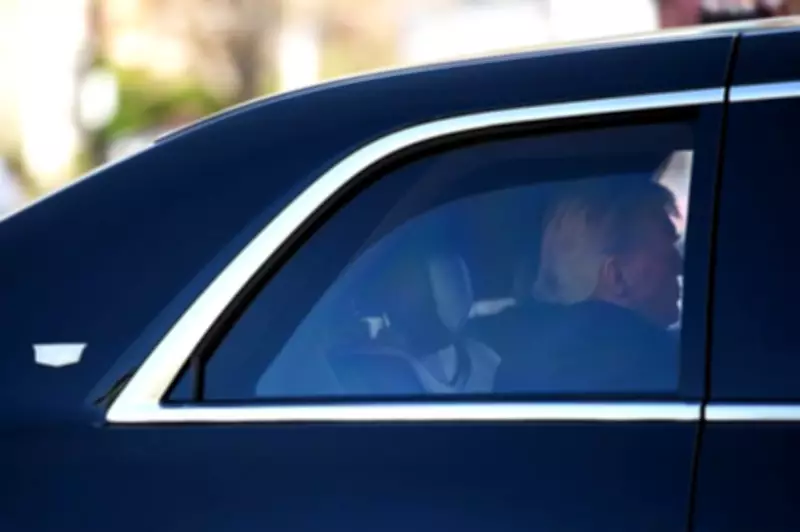
Trump's appearance marked the first time a sitting president has attended arguments at the nation's highest court, underscoring the personal and political significance of this legal battle. Arriving in the presidential limousine known as "The Beast," Trump entered the courtroom as justices heard appeals of lower-court rulings that struck down his executive order as unconstitutional.
The Legal Battle Over Citizenship
The Trump administration argues that the common interpretation of the 14th Amendment's Citizenship Clause is incorrect. Solicitor General D. John Sauer contended that children of noncitizens are not "subject to the jurisdiction" of the United States and therefore should not automatically receive citizenship. This position challenges the longstanding precedent set by the 1898 Wong Kim Ark case, which affirmed birthright citizenship for U.S.-born children of foreign nationals.

However, lower courts have consistently rejected this argument, ruling that Trump's order violates both the Constitution and federal law. The administration now hopes the Supreme Court will "set straight long-enduring misconceptions about the Constitution's meaning," as Sauer wrote in legal briefs.
Potential Impact and Opposition
If upheld, the executive order could affect more than 250,000 babies born in the United States annually, according to research from the Migration Policy Institute and Pennsylvania State University. While Trump has focused rhetoric on illegal immigration, the restrictions would also apply to children of individuals in the country legally, including students and green card applicants.
Cecillia Wang, legal director of the American Civil Liberties Union, who argued against the administration before the Court, stated, "We have the president of the United States trying to radically reinterpret the definition of American citizenship." Lawyers representing pregnant women whose children would be impacted urged the Court not to be the first to accept the administration's novel interpretation.
Constitutional Context and Political Implications
The 14th Amendment, ratified in 1868, states: "All persons born or naturalized in the United States, and subject to the jurisdiction thereof, are citizens of the United States and of the State wherein they reside." Originally intended to ensure citizenship for Black people, including former slaves, the clause has been interpreted broadly for over a century.
This case represents the first Trump immigration policy to reach the Supreme Court for a final ruling. Previously, justices struck down global tariffs Trump imposed using emergency powers, a decision that prompted the president to express fury, calling the justices "unpatriotic" in February comments.
Outside the courthouse, demonstrators gathered as the historic arguments unfolded. The outcome could reshape fundamental understandings of American identity and belonging, making this one of the most consequential immigration cases in recent memory.