In a high-stakes televised speech aimed at a nation grappling with the cost of living, U.S. President Donald Trump unveiled a significant financial gesture for military personnel and promised sweeping housing reforms for the coming year.
Prime-Time Promises and Political Pressure
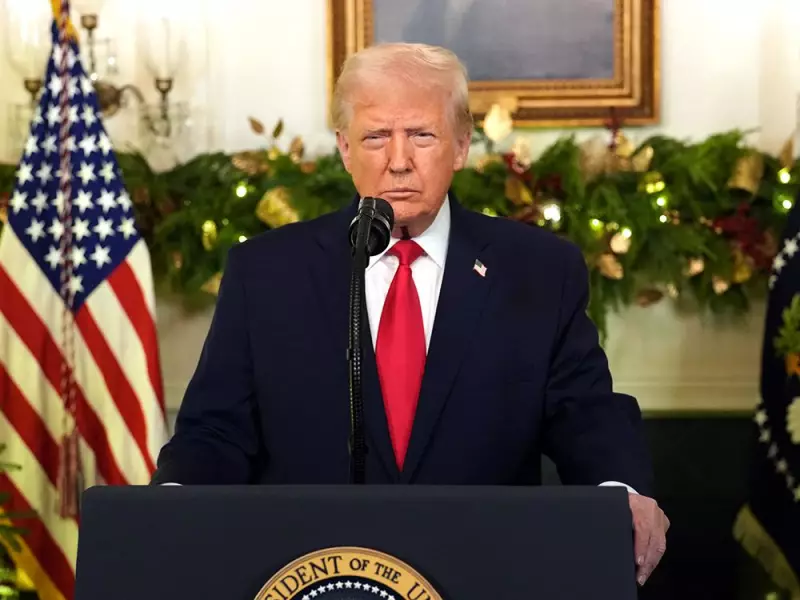
The address, delivered from the White House's Diplomatic Reception Room on Wednesday, December 17, 2025, served a dual purpose. While intended to highlight the administration's first-year accomplishments, it unfolded against a backdrop of declining public approval and growing anxieties about the economy ahead of the midterm elections.
Trump's central announcement was a special holiday payment of US$1,776 to 1.45 million military service members, a figure symbolically tied to the year of American independence. He branded the initiative the "Warrior Dividend," asserting the checks were already being processed to arrive before Christmas.

Shifting Blame and Future Plans
A substantial portion of the president's remarks focused on assigning responsibility for ongoing economic challenges. "Eleven months ago, I inherited a mess, and I'm fixing it," Trump stated, directly pointing to the administration of his predecessor, Joe Biden. He argued that he took office facing the worst inflation in decades, which he claimed made life unaffordable for millions.
Looking forward, Trump sought to reassure voters by previewing policy moves for 2026. He pledged to appoint a new Federal Reserve chairman committed to "lower interest rates, by a lot," which he said would further reduce mortgage payments. He also promised "some of the most aggressive housing reform plans in American history" early in the new year, alongside touting the benefits of his tax cut legislation.
A Speech at a Critical Juncture
Administration officials framed the prime-time event as a chance to recap achievements and preview the agenda. However, the timing was critical, with Trump confronting persistent public concern over his economic stewardship and his team refining its messaging strategy.
Notably, the speech did not address the escalating campaign against Venezuela's Maduro regime, which included a recently announced embargo on sanctioned oil tankers. While Trump mentioned counter-narcotics efforts broadly, he avoided specifics on potential military escalation.
The political subtext was clear. Voters who returned Trump to office largely did so to tackle the inflation that marked Biden's term. Now, facing similar economic headwinds, the president used his national platform to defend his record, offer new incentives, and firmly place ongoing difficulties at the feet of the previous administration.