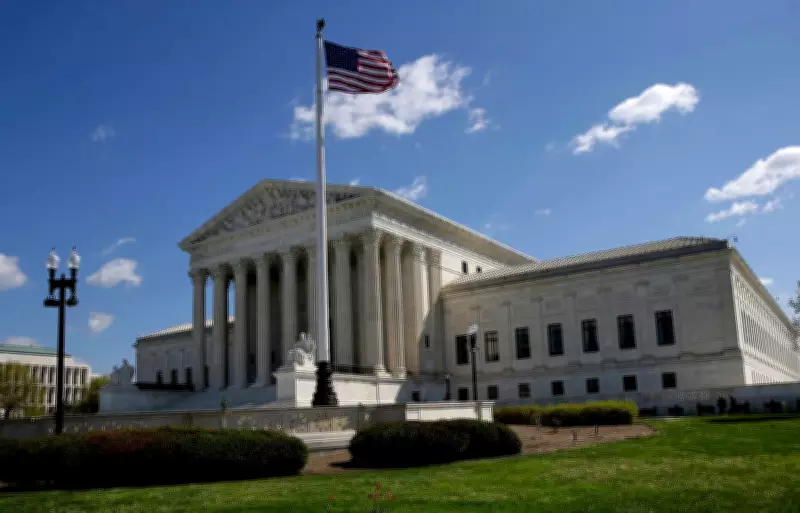
The U.S. Supreme Court has formally reinstated a pro-Republican Texas voting map, a decision that could have significant implications for future elections in the state. The ruling, issued on April 27, 2026, comes after a lengthy legal battle over the state's redistricting plan.
Background of the Case
The Texas voting map had been challenged by civil rights groups and Democratic lawmakers, who argued that it diluted the voting power of minority communities. The lower courts had previously blocked the map, citing violations of the Voting Rights Act. However, the Supreme Court's decision overturns those rulings and allows the map to be used in upcoming elections.
Implications for Texas Politics
The reinstated map is expected to favor Republican candidates, potentially solidifying the party's hold on several congressional districts. Critics argue that the map is gerrymandered and undermines fair representation. Supporters, however, contend that it reflects the state's political landscape and complies with legal standards.

Reactions and Analysis
Reactions to the ruling have been sharply divided. Republican leaders in Texas praised the decision, calling it a victory for the rule of law. Democratic officials and voting rights advocates expressed disappointment, vowing to continue fighting for fair maps. Legal experts note that the Supreme Court's decision may set a precedent for other redistricting battles across the country.
Next Steps
With the map now reinstated, Texas election officials are moving forward with preparations for the next election cycle. Meanwhile, opponents are exploring further legal options, including potential challenges based on state law. The ruling is likely to remain a contentious issue in the broader debate over voting rights and electoral integrity in the United States.