

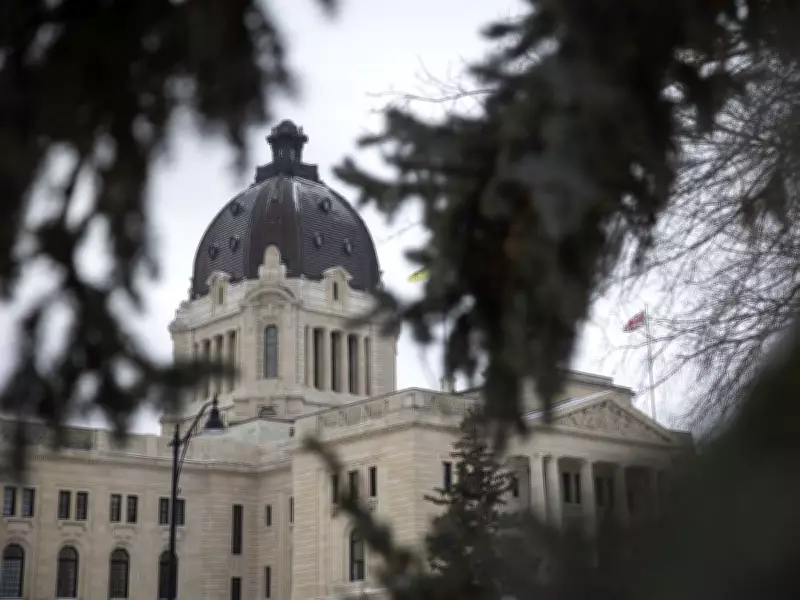
After 114 years, a new women's washroom is finally being constructed in Saskatchewan's Legislative Building, marking a significant step toward gender equality in the province's political sphere. The facility, which will mirror the men's washroom in design and amenities, comes after decades of inadequate facilities for female MLAs.
A Historical Oversight
When the Legislative Building was completed in 1912, women in Saskatchewan did not have the right to vote, let alone hold elected office. Consequently, a washroom for women MLAs was not part of the original design. The men's washroom, by contrast, was outfitted with oak and marble finishes, spacious sinks and stalls, and has undergone multiple renovations over the years.
Women's Suffrage and Representation
The situation changed in 1916 when women gained the right to vote, and further in 1919 when Sarah Ramsland became the first woman seated in the Saskatchewan Legislative Assembly. However, even after women entered the legislature, they lacked a dedicated washroom for decades.

Inadequate Facilities for Women MLAs
For over a century, female MLAs had to rely on public washrooms or a single-stall facility that was poorly located. Regina Douglas Park MLA Nicole Sarauer noted that public washrooms were often full, and the designated single-stall washroom was far from the chamber, creating difficulties especially during long sitting days.
Speaker Todd Goudy acknowledged the issue, stating that the current women's washroom is not in close proximity to the chamber, making it inconvenient during late sessions. Sarauer added that opposition MLAs often had to walk through areas where government members were being briefed, leading to awkward interactions and discouragement from using the facility.
A Step Forward, But Not Gender-Neutral
The new women's washroom will be built to mirror the men's facility, featuring historical fixtures like old marble and modern amenities such as a family area and changing table. The estimated cost is $200,000, including plumbing. However, when asked about potential gender-neutral facilities, Goudy said that option has never been brought up.
The project represents a long-overdue recognition of the needs of female MLAs, who now make up about 30 percent of the legislature. While it addresses a specific inequality, advocates note that broader conversations about inclusive facilities may still be needed.






