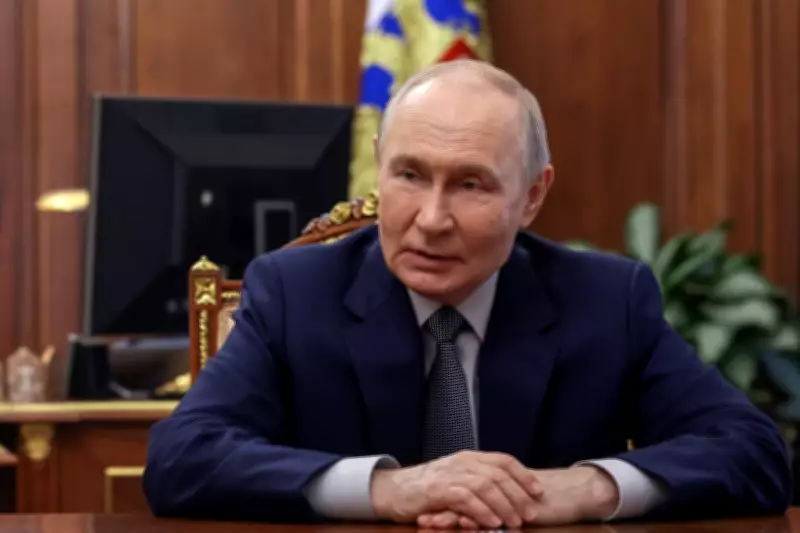
Russia has declared a unilateral ceasefire in Ukraine to commemorate Victory Day, a significant holiday marking the Soviet Union's victory over Nazi Germany in World War II. The announcement was made by Russian President Vladimir Putin during a meeting at the Kremlin on Monday, May 4, 2026. The ceasefire is set to begin on May 9, the day of the annual Victory Day celebrations.
Context and Reactions
The ceasefire declaration comes as the Russia-Ukraine war continues to exact a heavy toll on both sides. International observers have noted that such pauses in fighting have been rare and often short-lived. Ukrainian officials have expressed skepticism, citing previous violations of ceasefires by Russian forces. The United Nations and other global bodies have called for a lasting peace, urging both parties to engage in meaningful negotiations.
Impact on Civilians
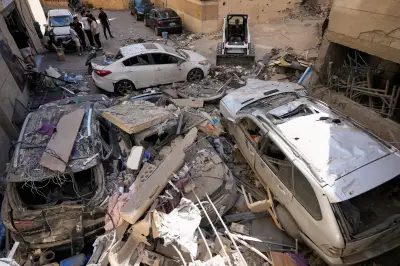
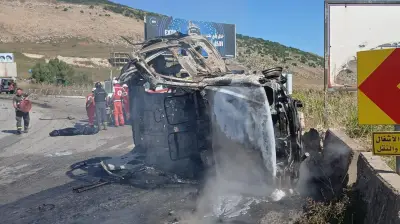
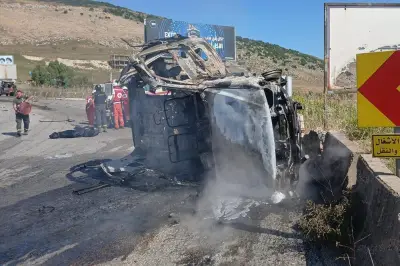
Civilian populations in conflict zones have borne the brunt of the war. The ceasefire could provide a temporary respite for those in affected areas, allowing for humanitarian aid deliveries and evacuations. However, concerns remain about the sustainability of the truce and the potential for renewed hostilities.

The international community continues to monitor the situation closely, with many nations calling for a de-escalation of tensions. The ceasefire announcement has been met with cautious optimism, but skepticism persists given the complex dynamics of the conflict.