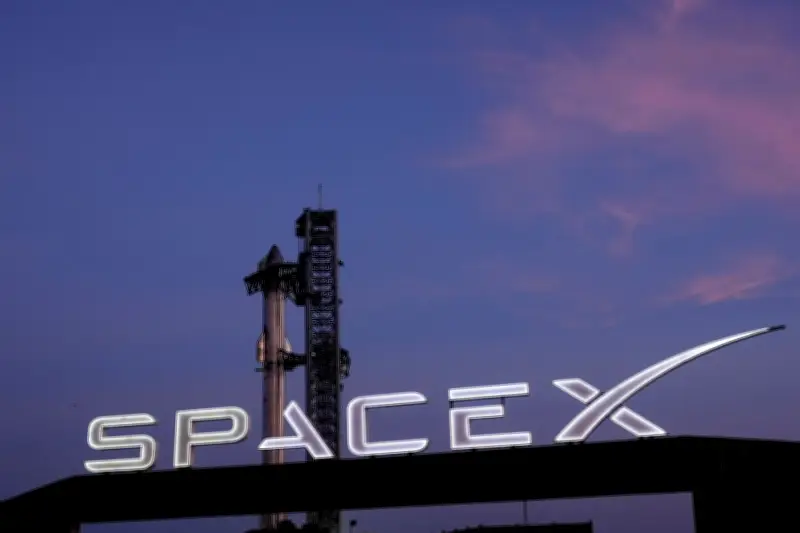
SpaceX, the aerospace company founded by Elon Musk, is preparing to make its highly anticipated debut on Wall Street. The initial public offering (IPO) is expected to be one of the largest in history, drawing significant attention from investors and industry analysts alike. Here's what you need to know about the upcoming listing.
IPO Timeline and Structure
SpaceX has filed confidentially with the U.S. Securities and Exchange Commission (SEC) for its IPO, with plans to list on the Nasdaq under the ticker symbol "SPCE." The company aims to raise approximately $10 billion, valuing it at over $150 billion. The exact date of the IPO has not been announced, but market insiders expect it to occur within the next few months, pending regulatory approvals.
Key Details of the Offering
- Number of Shares: SpaceX plans to offer around 50 million shares, with an estimated price range of $200 to $250 per share.
- Underwriters: Major investment banks including Goldman Sachs, Morgan Stanley, and JPMorgan Chase are leading the underwriting syndicate.
- Lock-up Period: Insiders, including Elon Musk, will be subject to a standard 180-day lock-up period before they can sell their shares.
Business Overview and Growth Prospects
SpaceX has revolutionized the space industry with its reusable rocket technology, significantly reducing the cost of space launches. The company's primary revenue streams include satellite launches for commercial and government clients, the Starlink satellite internet service, and contracts with NASA for crew and cargo missions to the International Space Station. In 2025, SpaceX reported revenues of $12 billion, a 40% increase from the previous year, driven by the rapid expansion of Starlink, which now has over 2 million subscribers worldwide.

Competitive Landscape
SpaceX faces competition from other private space companies such as Blue Origin, founded by Jeff Bezos, and Rocket Lab. However, SpaceX's established track record and technological edge give it a significant advantage. The company's Starship spacecraft, currently in development, is designed for missions to the Moon and Mars, opening up new revenue opportunities in deep-space exploration.
Risks and Considerations
Investing in SpaceX comes with risks, including the cyclical nature of the space industry, regulatory hurdles, and the potential for technical failures. Additionally, the company's valuation is high relative to its current earnings, and its success depends on continued innovation and market expansion. Investors should carefully evaluate these factors before participating in the IPO.
Analyst Opinions
Wall Street analysts are generally bullish on SpaceX's prospects. Many highlight the company's dominant position in the launch market and the growth potential of Starlink as key drivers. However, some caution that the IPO price may be too rich, given the company's reliance on future contracts and the inherent risks of space exploration.
In conclusion, SpaceX's IPO represents a landmark event for the space industry and the stock market. With its cutting-edge technology and ambitious vision, the company offers a unique investment opportunity for those willing to accept the associated risks. As the debut approaches, investors should stay informed about the latest developments and consult with financial advisors to make well-informed decisions.