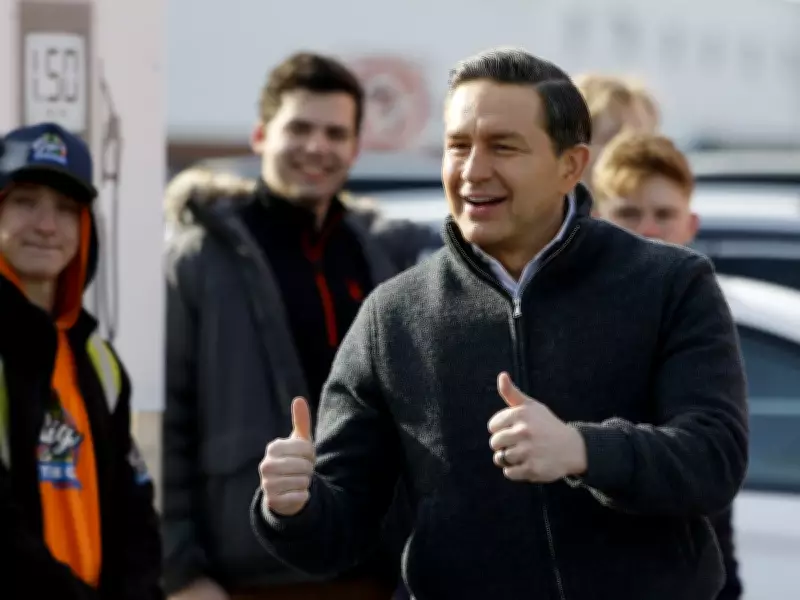
Conservative Party of Canada leader Pierre Poilievre has publicly advised U.S. President Donald Trump to concentrate American efforts on ensuring Iran never develops nuclear weapons, while carefully avoiding what he termed a "permanent quagmire" in the region. Poilievre delivered this assessment during his recent appearance on The Diary of a CEO podcast, part of his first official trip to the United States last month, which also included an interview on The Joe Rogan Experience.
Strategic Focus on Core Objective
In his podcast remarks, Poilievre emphasized that the primary goal should be degrading Iran's nuclear capabilities to prevent the regime from ever achieving nuclear weapons status. "I think any actions to degrade their nuclear capabilities prevent them from ever achieving them, is favourable," Poilievre stated, expressing hope that such measures would "weaken the regime enough for the people to overtake it and claim control of their country."
The Conservative leader clarified that he was not proposing Canadian military involvement in Iran, but rather supporting strategic actions that focus on the nuclear threat. His comments come amid escalating tensions in the region, following U.S. and Israeli strikes against Iran in late February that Poilievre described as necessary initial actions.

Historical Parallels and Strategic Decisions
Poilievre framed the current situation by suggesting Trump faces a critical decision about which former Bush president he wants to emulate in his approach to Iran. This reference points to the different foreign policy legacies within the Bush political dynasty and underscores the significant strategic choices confronting the current administration.
The Conservative leader rejected the notion that Iran's recent aggression was triggered by the war, arguing instead that the regime would have eventually pursued its objectives regardless. "They would have eventually carried it out," Poilievre said of the Iranian regime's actions. "The question is when and with what means, and if we had just sort of slept and waited, we would have ended up with a catastrophe."
Canadian Political Context and International Law
Poilievre noted that his position aligned initially with that of Prime Minister Mark Carney, who had offered support for the February strikes against Iran. However, Carney later clarified that he took that position "with regret," suggesting the actions might not align with international law standards.
The Canadian government has faced increasing questions about potential involvement in reopening the Strait of Hormuz, a crucial shipping route for global oil supplies that Iran has blocked. Carney has indicated that discussions with NATO allies are ongoing, with any Canadian assistance contingent upon a ceasefire agreement.
Regional Tensions and Economic Implications
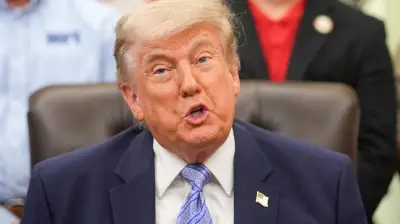
The situation intensified on Easter Sunday when President Trump issued a direct warning to Iran, demanding the reopening of the Strait of Hormuz by Tuesday or facing attacks against its power plants and bridges. This ultimatum highlights the economic stakes involved, as the strait serves as a vital corridor for approximately one-fifth of the world's petroleum consumption.
Poilievre's comments reflect growing international concern about the potential for prolonged conflict in the region and the delicate balance between preventing nuclear proliferation and avoiding extensive military entanglement. His podcast appearance in Los Angeles marked part of a broader tour discussing Canada-U.S. relations and foreign policy challenges facing both nations.