Persian Gulf War Veterans Denied Memorial Inscription Again in Ottawa
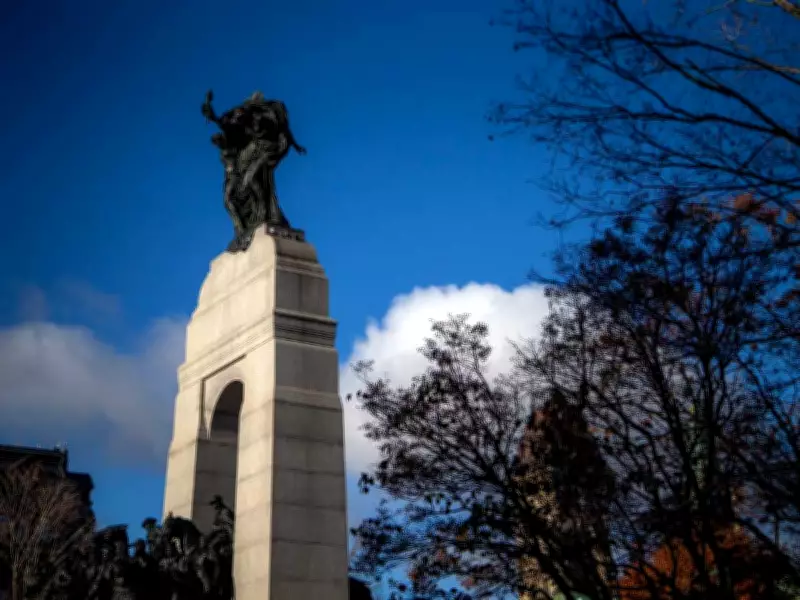
Despite persistent lobbying from Persian Gulf War veterans in Canada, the Department of Veterans Affairs has once again rejected adding the conflict to the National War Memorial in Ottawa. Internal staff documents, obtained by Blacklock’s Reporter, describe the war as a "smaller, less costly conflict," leading to its exclusion from the Cenotaph.
War Referred to as 'Smaller, Less Costly Conflict'
The Persian Gulf War, which concluded 35 years ago this week, involved over 4,000 Canadian troops between 1990 and 1991, aimed at removing Iraq's invading forces from Kuwait. According to the documents, staff noted that the war did not result in any Canadian casualties, a key factor in the decision. One staff email stated, "The Persian Gulf War was not included as a matter of scale and no war dead as a result of Canada’s involvement in that conflict, likely the same for the 1999 Kosovo and 2011 Libya air campaigns."
However, a departmental memo acknowledged that some Canadian soldiers "returned home with heavy burdens," highlighting the psychological and emotional toll despite the absence of fatalities.

Memorial Inscriptions and Veteran Advocacy
The National War Memorial currently features inscriptions for the South African War, the First World War, the Second World War, the Korean War, and the Afghanistan mission. A memo explained, "These are Canada’s five most costly military engagements in terms of lives lost." It added that the phrase "in service to Canada," inscribed in 2014, is intended to acknowledge all veterans, including those from smaller conflicts, though many people misunderstand this.
Persian Gulf Veterans of Canada, an advocacy group, has repeatedly petitioned for recognition on the monument. A departmental advisory group has rejected their requests twice, with a 2024 staff email emphasizing that any new inscription should "match the intensity, longevity and degree of sacrifice of the five military wars and missions inscribed on the monument" and have broad support from the veteran community and Canadian public.
Broader Implications for Military Recognition
This decision underscores ongoing debates about how Canada honors its military history and the criteria for memorial inclusion. Veterans argue that service in conflicts like the Persian Gulf War deserves formal acknowledgment, while officials prioritize engagements with significant casualties. The rejection highlights the challenges in balancing historical significance with public perception and veteran advocacy in national commemorations.