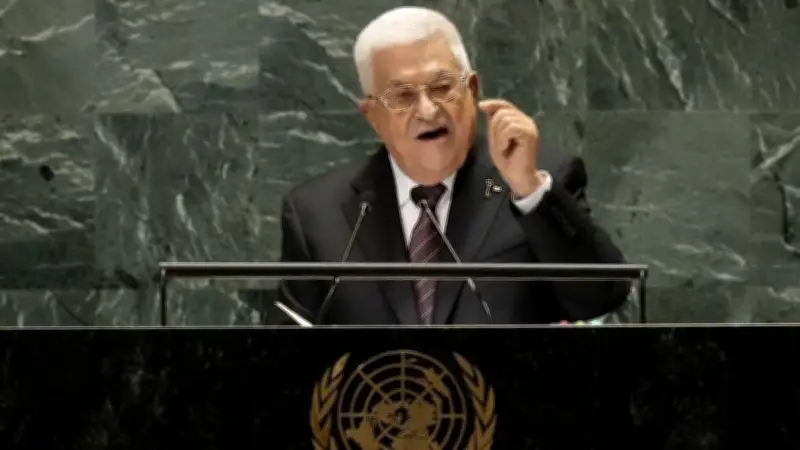
Palestinian President Mahmoud Abbas issued a decree on Thursday setting legislative elections for November 28, which if they take place, would mark the first such vote in two decades.
Background and Context
The decree was issued by the Palestinian Authority, which governs parts of the West Bank. The last Palestinian legislative elections were held in 2006, when Hamas won a majority, leading to a political split between Hamas-controlled Gaza and the Fatah-led Palestinian Authority in the West Bank. Since then, no national elections have been held.
According to the decree, the elections will be for the Palestinian Legislative Council, the parliament of the Palestinian Authority. The move comes amid ongoing international pressure for democratic reforms and unity between Palestinian factions.

Challenges and Uncertainties
It remains uncertain whether the elections will actually take place. Previous attempts to hold elections, including a planned 2021 vote, were canceled due to disputes between Fatah and Hamas over voting procedures in East Jerusalem and other issues. Hamas has not yet officially responded to the decree.
Analysts note that significant obstacles remain, including Israeli restrictions on voting in East Jerusalem, internal Palestinian divisions, and the lack of a unified electoral framework. The last presidential election was held in 2005, when Abbas was elected.
International Reactions
The international community has expressed cautious support for the elections. The United Nations and European Union have called for inclusive and transparent elections. However, no concrete steps have been announced to facilitate the process.
If successful, the elections could pave the way for renewed legitimacy of Palestinian institutions and potentially revive peace negotiations with Israel, which have been stalled for years.