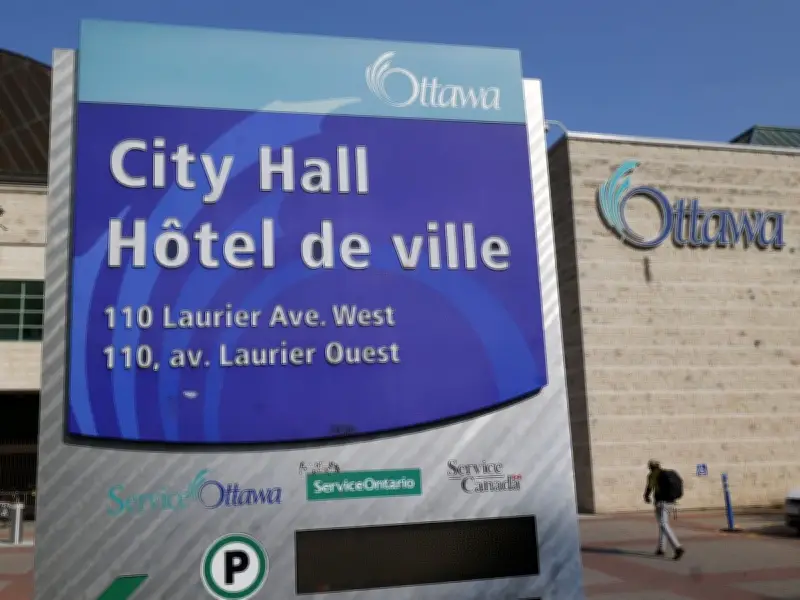
The City of Ottawa's finance and corporate services committee has voted 9-2 to approve a long-range financial plan to address a multi-million dollar gap in funding for infrastructure, but critics warn the plan could burden future city councils.
Infrastructure funding gap
The city's treasury staff highlighted an infrastructure funding gap of $229 million per year and recommended several methods for closing that gap, including a proposal to double the existing contribution from property tax increases from $6 million to $12 million in 2027 and 2028.
The city would also allocate 0.15 per cent of growth in property tax revenue to the capital growth budget envelope each year, estimated at $3.5 million. The staff recommendation would also include a one-time draw-down of $32 million from the citywide capital reserve fund, and the city would take on $60 million in additional debt over the next two years.

Concerns from candidates
Mayoral and council candidates were among the delegates who cautioned committee members about the plan, suggesting it could be “kicking the can down the road” for future council terms to manage. The plan aims to fund aging infrastructure, including road maintenance, parks, and aging arenas and recreation facilities expected to reach or exceed their useful life cycle in the next 10 years.
Committee members asked city staff a stream of pointed questions before approving the recommendations. The city’s tax-supported assets have an estimated replacement value of more than $39 billion, and staff said a dedicated, predictable source of funds would be beneficial for preserving service levels for residents.
Property tax impact
Staff said a one per cent property tax levy would equate to an additional $46 each year for the average homeowner. The city could also generate revenue by retiring and selling high-maintenance facilities that are no longer suitable.
The city has more than 130 facilities that will reach their theoretical end-of-life by 2035, with an estimated replacement value of $541 million to rebuild with equivalent capacity at current market rates. That includes 99 facilities rated in fair or lower condition, with 40 facilities at the top of the priority list that demonstrate sufficient merit to justify full replacement.
The priority list of facilities amounts to $231 million in replacement value and will be finalized and presented to councillors in 2027, according to chief financial officer Cyril Rogers. Staff noted that with current market conditions and modern design requirements, it is not feasible to replace all 40 facilities, and greater efficiencies can be realized through consolidation and co-location of services within shared facilities.