The Reio family's dream retirement on the shores of Lake Erie turned into a financial nightmare after they discovered ancient human remains on their property. The Ontario government is requiring them to fund an archaeological investigation that could cost over $1 million, far exceeding the value of their home.
Discovery During Renovation
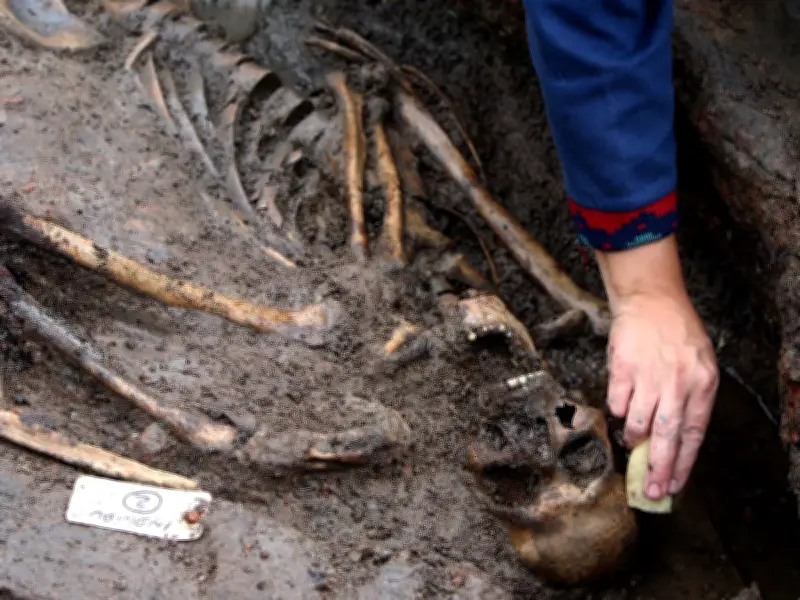
In 2024, the Reios began renovating their modest bungalow, planning to add a second story and bedrooms for their adult children. While demolishing the garage, their contractor uncovered human remains. Police determined the remains were ancient—over 1,000 years old—similar to those found on neighboring properties.
The discovery triggered Ontario's burial regulations. The Registrar of Burials ordered the Reios to conduct a full archaeological investigation. Failure to comply could result in fines or jail time.

Prohibitive Costs
The investigation is estimated to cost $50,000 to $60,000 per week for 10 weeks, with no cap if more remains are found. The total could exceed $1 million. According to the Reios, the Registrar and the assigned archaeologist mandated Indigenous engagement and supervision, accounting for about half the costs.
The Reios requested financial assistance, but the Registrar denied it, ruling that the six-to-seven-figure quotes did not constitute undue hardship for the retirement-aged couple. The decision suggested the Reios could take out a line of credit to pay over years.
Public Benefit, Private Burden
Christine Van Geyn, writing in the National Post, argues that while preserving archaeological sites serves the public interest, the government is forcing the Reios to bear the entire financial burden. The couple cannot live on, build on, or sell their property until the investigation is complete. They face potential debt or legal penalties for failing to comply with an open-ended mandate.
The Reios support reconciliation and treating remains with dignity, but they cannot afford the costs. The situation highlights a gap in Ontario's burial laws, which place the full cost of public archaeological preservation on private landowners.