New York City's newly inaugurated mayor, Zohran Mamdani, has ignited a fierce debate with his vision for the city's social fabric. In his January 2026 inauguration speech, Mayor Mamdani pledged to "replace the frigidity of rugged individualism with the warmth of collectivism" and draw the city closer together. This characterization of New Yorkers' famed self-reliance as "frigid" has drawn sharp criticism from commentators who argue the city's history proves otherwise.
A Legacy of Solidarity in Crisis
Critics of the mayor's framing point to numerous historical examples where New Yorkers' individualism seamlessly transformed into powerful collective action. During the COVID-19 pandemic, residents famously cheered frontline workers from their balconies in nightly displays of support. Neighbors organized mutual aid networks to deliver groceries and medicine to the vulnerable.
Similarly, in the aftermath of Hurricane Sandy in 2012, communities banded together to provide shelter, share resources, and clean up devastated neighbourhoods, demonstrating an innate solidarity without top-down direction.

The Ultimate Test: September 11, 2001
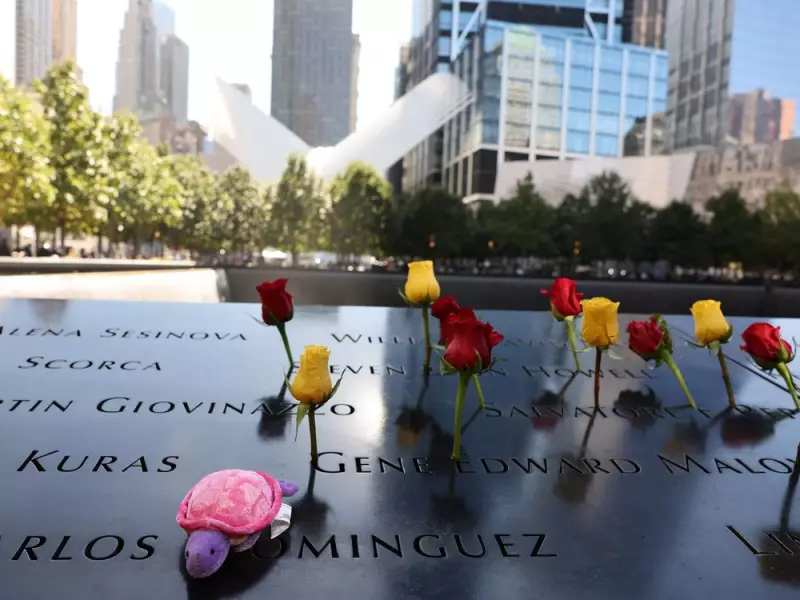
The most poignant rebuttal to the notion of a "frigid" New York, however, is found in the city's response to the terrorist attacks of September 11, 2001. In the immediate aftermath and for years following, New Yorkers displayed profound collective warmth and sacrifice.
First responders, including firefighters, police officers, and medical professionals, rushed toward danger. Many firefighters who searched the toxic rubble of the World Trade Center later developed fatal lung diseases. Volunteers from all walks of life converged on Lower Manhattan to assist in recovery efforts, with many continuing to serve for months. This spirit of unity endures; on the 24th anniversary of the attacks in 2024, volunteers prepared millions of meals for fellow residents, a tradition of remembrance and service.
Questions Over Inclusivity in Mamdani's "Collectivism"
The controversy deepened when critics examined Mayor Mamdani's early administrative appointments. The mayor selected Ramzi Kassem, a 47-year-old lawyer, as his legal counsel. Kassem's professional history includes defending Ahmed al-Darbi, an al-Qaeda terrorist convicted for his role in the 2002 attack on a French oil tanker. While al-Darbi was not directly involved in 9/11, he was part of the same network that orchestrated the attacks on New York.
This appointment has been called "tone-deaf" by observers, who question its sensitivity towards the families of 9/11 victims and the thousands of volunteers and responders who risked their lives. Further scrutiny of Kassem's background reveals he authored anti-Israel articles for his campus newspaper as a student and later represented a client detained for anti-Israel activities at Columbia University.
These actions have led critics to argue that Mayor Mamdani's professed "warmth of collectivism" may have clear limits, potentially excluding Jewish communities and those most affected by Islamist terrorism. The debate now centers on whether the mayor's vision for a unified New York can truly encompass all its citizens, or if it is predicated on a selective historical memory and political alignment that leaves some groups out in the cold.