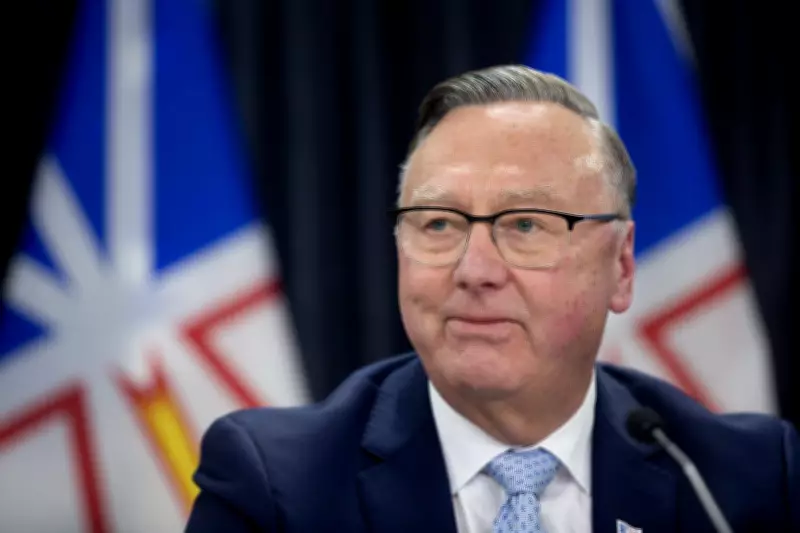
Newfoundland and Labrador has officially dropped its lawsuit challenging the federal equalization program, Premier Tony Wakeham announced on Wednesday. The decision marks a significant shift in the province's longstanding dispute over the formula used to redistribute federal funds to less wealthy provinces.
Background of the Lawsuit
The legal challenge, filed in 2024, argued that the equalization program was unfair to Newfoundland and Labrador, which has faced declining revenues from offshore oil and gas. The province claimed the formula failed to account for the unique economic challenges of Atlantic Canada. However, after months of negotiations with Ottawa, the provincial government decided to withdraw the case.
Premier's Statement
“We have determined that pursuing this lawsuit is no longer in the best interests of the people of Newfoundland and Labrador,” Wakeham said during a press conference at the Confederation Building in St. John’s. “Instead, we will focus on collaborative efforts with the federal government to ensure our province receives fair treatment under the equalization program.”

The Premier emphasized that the decision does not mean the province is giving up on securing better terms. “We will continue to advocate for our fair share, but we believe dialogue is more productive than litigation,” he added.
Reactions and Implications
The move has been met with mixed reactions. Some political analysts suggest that the withdrawal may signal a new era of cooperation between Newfoundland and Labrador and the federal government. Others argue that the lawsuit was a necessary tool to highlight regional disparities.
Federal officials have welcomed the decision, with a spokesperson from the Department of Finance stating, “We are committed to working with all provinces to ensure the equalization program remains fair and effective.”
The equalization program is a constitutional commitment to ensure that all Canadians have access to comparable public services, regardless of where they live. Newfoundland and Labrador has been a recipient of equalization payments for many years, but the province has argued that the formula penalizes it for its resource wealth while ignoring its high costs.
With the lawsuit dropped, attention now turns to upcoming federal-provincial meetings where the equalization formula is expected to be a key topic of discussion.