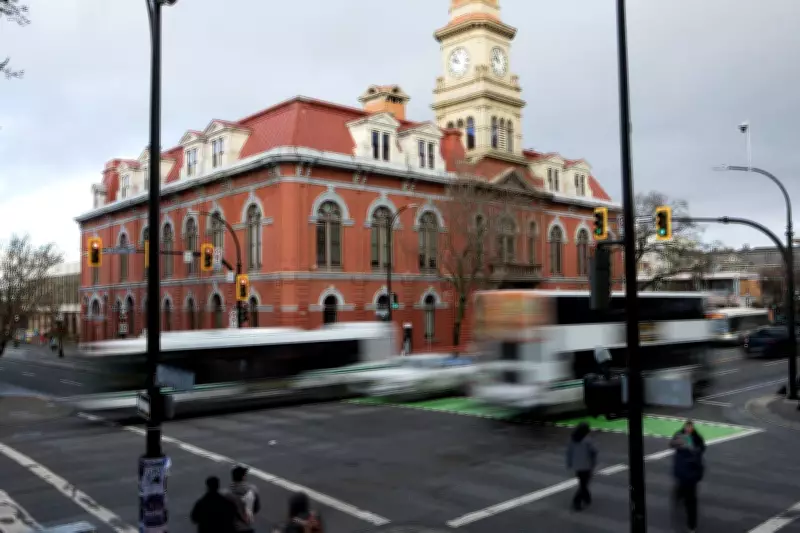
Transit workers in Vancouver and Victoria have overwhelmingly voted in favor of a strike mandate, with 97% support, as labour negotiations continue to stall. The vote, announced on May 29, 2026, gives the union the authority to call for job action if a new contract agreement is not reached.
Background of the Dispute
The labour dispute involves workers represented by the Canadian Union of Public Employees (CUPE) who have been without a contract since early 2026. Key issues include wages, working conditions, and scheduling flexibility. The union has stated that despite months of bargaining, the employer has not addressed their core concerns.
Potential Impact on Commuters
If a strike occurs, it could disrupt bus and SeaBus services across Metro Vancouver and Victoria. The transit system serves hundreds of thousands of daily commuters, and any work stoppage would likely lead to increased traffic congestion and longer travel times. The union has pledged to provide 72-hour notice before any strike action.

Next Steps in Negotiations
Both parties are expected to return to the bargaining table with the assistance of a provincial mediator. The union leadership has emphasized that they prefer a negotiated settlement but are prepared to take action if necessary. The employer, BC Transit, has expressed disappointment with the strike vote and urged the union to continue talks without disruption.
Broader Context
This strike mandate comes amid a wave of labour unrest in British Columbia, with workers in various sectors seeking better terms. The outcome of these negotiations could set a precedent for other public sector unions in the province.