Airports and airlines across Europe are warning that the European Union's new Entry/Exit System (EES) could cause significant disruptions to summer travel, with long queues and delays expected as the biometric border checks come into effect.
What is the EES?
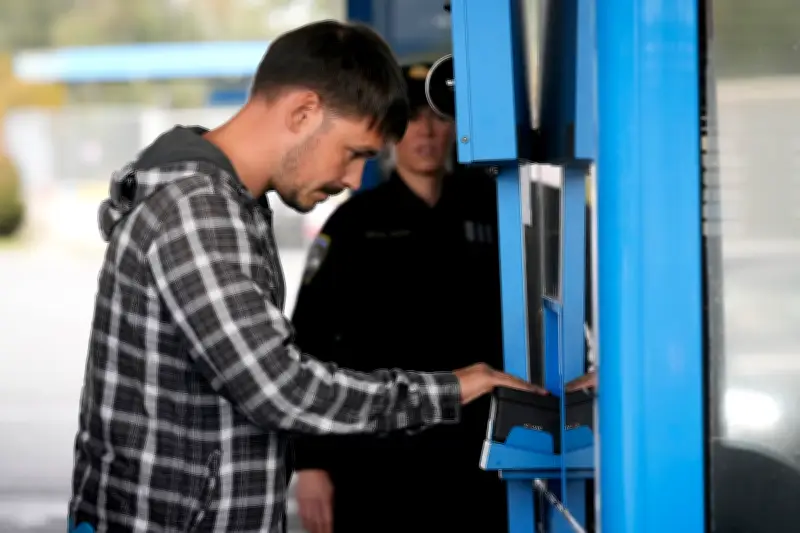
The EES is an automated system that will register the name, travel document type, and biometric data—including fingerprints and facial images—of non-EU nationals entering the Schengen Area. It replaces the traditional passport stamping process and aims to enhance border security and track overstays.
Industry Warnings
Travel industry bodies have expressed concern that the system is not ready for the peak summer season. According to the Airports Council International (ACI) Europe, many airports lack the necessary infrastructure to process passengers efficiently under the new system. ACI Europe Director General Olivier Jankovec stated, "We are facing a perfect storm of increased passenger numbers and untested technology."

Airlines have also raised alarms, with some predicting that check-in times could double as staff must verify biometric data before boarding. The International Air Transport Association (IATA) warned that the EES could lead to "chaos" at airports unless member states provide adequate resources and testing.
Traveler Perspectives
Carol Pavey, a frequent traveler to Europe, said the EES won't stop her from returning but hopes the system gets "figured out" before her next trip. She added, "I understand the need for security, but I worry about missing flights due to long lines."
Under the EES, non-EU travelers will need to provide fingerprints and a facial scan at the border. This applies to short-stay visitors (up to 90 days in any 180-day period) from countries like the U.S., Canada, and the U.K.
Impact on Summer Travel
The summer of 2026 is expected to see record travel demand, with passenger numbers approaching pre-pandemic levels. The European Commission has acknowledged potential delays but insists the system will improve security and efficiency in the long run. EU Home Affairs Commissioner Ylva Johansson said, "The EES is a crucial tool for modernizing our borders. We are working closely with member states to ensure a smooth rollout."
However, some countries have already reported technical glitches during pilot tests. In France, trials at major airports revealed that fingerprint scanners malfunctioned in humid conditions, causing backups. Similar issues have been reported in Germany and Italy.
Preparations and Advice
Airports are advising travelers to arrive at least three hours before international flights and to ensure their travel documents are in order. Some are also installing additional kiosks and training staff to handle the new procedures. The European Commission has allocated €1.2 billion to support member states in implementing the EES, but critics argue that funding has been slow to reach frontline operators.
Despite the warnings, the EU maintains that the EES will ultimately streamline border crossings. The system is designed to reduce waiting times once fully operational, as it automates many manual checks. For now, however, travelers should brace for potential disruptions.