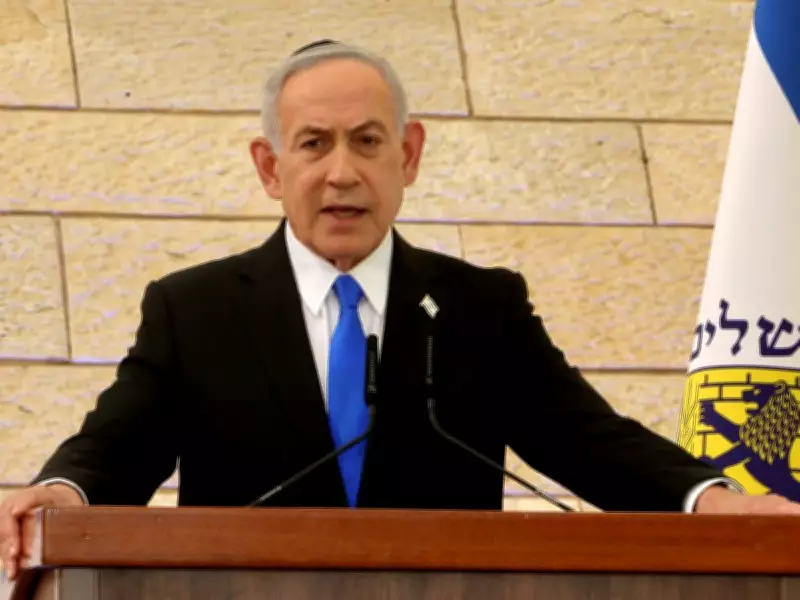
Israeli Prime Minister Benjamin Netanyahu on Sunday convened coalition leaders and top ministers to prepare for a possible collapse of the U.S.-Iran talks, according to Hebrew media reports. The meetings were called to examine a series of scenarios in the event that the negotiations collapse, as reported by Channel 12 News.
Jerusalem Urges Continued Blockade
Jerusalem is reportedly urging the United States to continue its closure of the Strait of Hormuz and not ease the naval blockade as a goodwill gesture during the talks. According to Israeli assessments cited by Channel 12, the continued blockade is expected to increase pressure on the Islamic regime by reducing revenues, exacerbating internal divisions, and leaving it with a choice: ease its negotiating positions or face greater instability, potentially including renewed U.S.-Israeli military action.
Potential Military Options
According to senior Israeli officials, if Tehran does not soften its position even after a prolonged blockade, the U.S. may opt for a return to fighting. Israeli officials have discussed the option of broad strikes targeting the Islamic Republic’s energy infrastructure, per Channel 12 News.

Iranian Reactions
Iranian President Masoud Pezeshkian told Pakistani Prime Minister Shehbaz Sharif in a call on Sunday that Washington must first remove operational obstacles, including the blockade, as a condition for resolving issues. Pezeshkian said American maritime restrictions on Iran were a clear breach of the ceasefire understandings. Such measures, along with threatening rhetoric from the U.S. administration, have increased Tehran’s doubts regarding America’s commitment to the diplomatic process, according to Iran’s semi-official Mehr News Agency.
Trump Cancels Negotiators' Trip
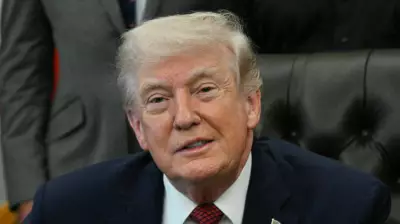
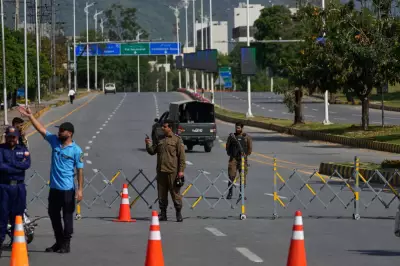
U.S. President Donald Trump on Saturday said he had cancelled the trip of the American negotiators to Islamabad as the Iranian representatives had already left Pakistan. Explaining his decision on Truth Social, Trump wrote, “Too much time wasted on travelling, too much work! Besides which, there is tremendous infighting and confusion within their ‘leadership.’” He added, “Nobody knows who is in charge, including them. Also, we have all the cards, they have none! If they want to talk, all they have to do is call!!!”
Iranian Diplomacy Continues
Meanwhile, on Monday morning, Iranian Foreign Minister Abbas Araghchi touched down in St. Petersburg ahead of a meeting with Russian President Vladimir Putin, after Tehran’s top diplomat visited key mediators Pakistan and Oman over the weekend, CNN reported. Araghchi said his trip to St. Petersburg was a good opportunity for us to consult with our Russian colleagues regarding the developments related to the war, per Iranian state media. During his visit to Pakistan, Araghchi gave Islamabad a list of Iran’s red lines to be conveyed to the United States, state-controlled outlet Fars reported. The news agency said Tehran’s red lines included nuclear issues and the Strait of Hormuz.