Nepal Police Detain Former Prime Minister and Ex-Home Minister in Connection with Fatal September Protests
In a significant development, Nepal police have arrested former Prime Minister Khadga Prasad Oli and former Home Minister Ram Bahadur Thapa. The arrests are directly linked to investigations into the deaths of protesters during widespread demonstrations that occurred in September of last year. The detentions mark a dramatic escalation in the legal proceedings surrounding the controversial events.
Arrests Made in Kathmandu Amid Ongoing Investigations
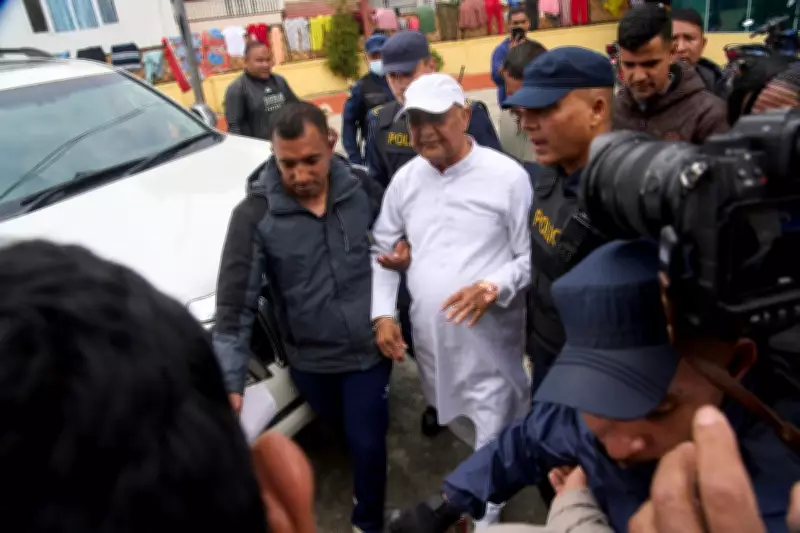
According to official reports, both former leaders were taken into custody in Kathmandu on Saturday, March 28, 2026. Following his arrest, former Prime Minister Oli was transported for a procedural medical checkup, as captured in Associated Press photographs. The arrests underscore the seriousness with which authorities are treating the allegations of responsibility for the protest-related fatalities.
The September protests, which swept across various regions of Nepal, were characterized by intense clashes between demonstrators and security forces. The exact number of casualties remains a point of contention, but multiple sources confirm that several individuals lost their lives during the unrest. The arrests of Oli and Thapa suggest that investigators are focusing on potential command-level accountability.

Political Repercussions and Legal Proceedings
Khadga Prasad Oli, who served as Prime Minister from 2018 to 2021 and again briefly in 2021, is a prominent figure in Nepalese politics. His arrest, along with that of Ram Bahadur Thapa, who was a key minister in Oli's cabinet, sends shockwaves through the country's political landscape. Legal experts indicate that the charges likely relate to decisions made regarding the deployment and conduct of security forces during the protests.
The government has not released a detailed statement regarding the specific charges, but insiders suggest that the investigation is examining whether orders or policies contributed to the use of excessive force. Human rights organizations have long called for accountability, and these arrests are seen by many as a step toward addressing those demands.
Context of the September Demonstrations
The protests in question erupted in response to a series of government policies and political maneuvers that sparked public outrage. Demonstrators took to the streets in major cities, leading to confrontations that sometimes turned violent. The period was marked by significant social and political tension, with critics accusing the then-administration of heavy-handed tactics.
International observers have monitored the situation closely, emphasizing the need for a transparent and impartial investigation. The recent arrests indicate that domestic authorities are proceeding with judicial processes, though the full scope and timeline of the legal actions remain unclear.
As the cases develop, they are expected to dominate national discourse, potentially influencing upcoming political dynamics and public trust in governance institutions. The detentions of such high-profile figures highlight the ongoing struggle for justice and accountability in Nepal's evolving democratic framework.