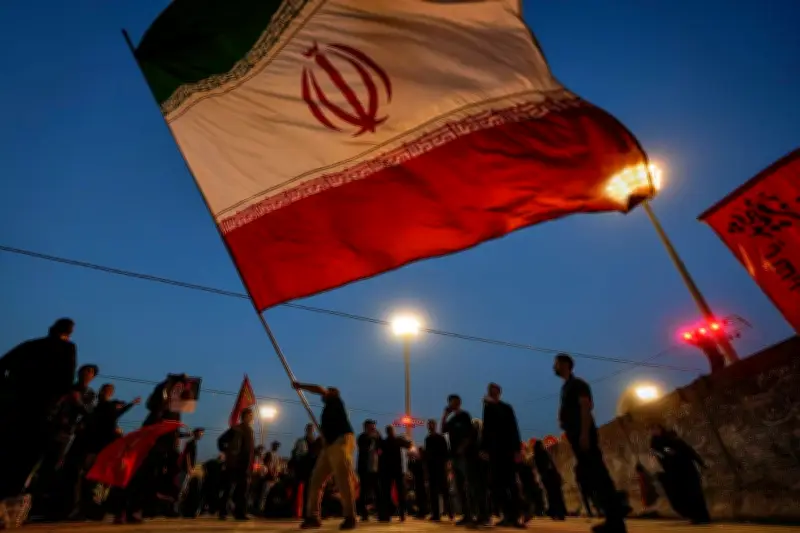
Mysterious airstrikes targeted Iran late Wednesday, hours after U.S. military strikes against Iranian-backed militias in Iraq and Syria, leaving analysts and officials puzzled over who launched the attacks. No group has claimed responsibility, and Iran's state media reported explosions in several provinces but no casualties.
Timing and Location of the Strikes
The airstrikes occurred around 2 a.m. local time, hitting military installations near the cities of Isfahan, Tabriz, and Shiraz, according to Iranian state television. The attacks come just days after the funeral of slain Supreme Leader Ayatollah Ali Khamenei, who was killed in a July 3 drone strike claimed by the Israeli Mossad. The U.S. had denied involvement in Khamenei's death.
Earlier on Wednesday, the U.S. military conducted airstrikes on three facilities used by Iranian-backed militias in eastern Syria and western Iraq, targeting groups it said were responsible for recent attacks on American forces. Pentagon officials said the strikes destroyed weapons depots and command centers.

Speculation on Perpetrators
Regional security experts speculated that Israel, which has a history of covert operations in Iran, could be behind the latest strikes. However, Israeli officials declined to comment. Another possibility is that the attacks were carried out by an Iranian opposition group or a faction seeking to exploit the power vacuum after Khamenei's death.
“The lack of a claim of responsibility is unusual,” said Dr. Reza Akbari, a Middle East analyst at the University of Tehran. “It could be a message from an external actor or an internal power play.”
Impact on Regional Tensions
The strikes threaten to escalate the already volatile situation in the Middle East. Iran’s acting Supreme Leader, Ayatollah Ahmad Khatami, vowed “severe revenge” against any aggressor but did not specify a response. The U.S. has urged all parties to exercise restraint, with State Department spokesperson Matthew Miller saying, “We are monitoring the situation closely and call for de-escalation.”
The attacks also complicate the ongoing nuclear negotiations, as Iran’s new leadership under interim President Mohammad Mokhber faces internal pressure to harden its stance. The European Union condemned the strikes and called for an independent investigation.
As of Thursday morning, no further attacks were reported, but the region remains on high alert.