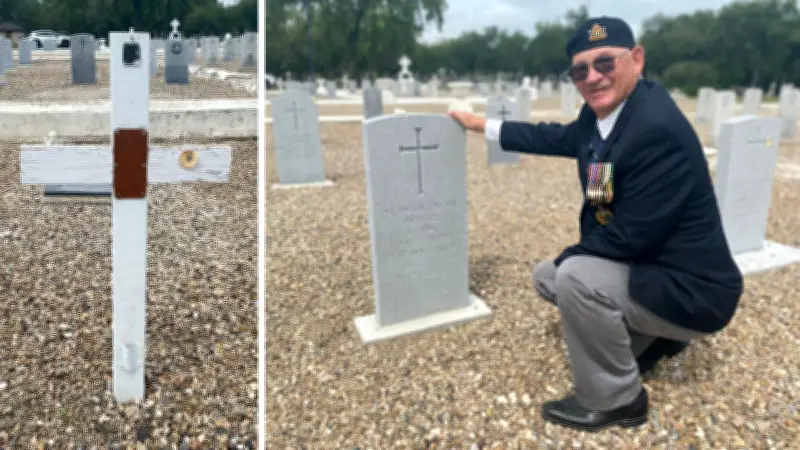
A volunteer in Swift Current, Saskatchewan has successfully identified previously forgotten graves of Second World War veterans, bringing long-overdue recognition to those who served. The effort, led by local historian and volunteer Allison Bamford, uncovered dozens of unmarked burial sites in the city's cemeteries.
Discovery of Unmarked Graves
The project began when Bamford noticed several veteran graves in Swift Current lacked proper markers or identification. Through archival research and community outreach, she cross-referenced military records with cemetery plots, revealing that at least 30 veterans were buried without headstones. Many of these graves had been neglected for decades, with families unaware of their locations.
“It was heartbreaking to see these heroes forgotten,” Bamford said. “They served our country, and they deserve to be remembered.” The identification process involved examining death certificates, obituaries, and wartime service files, as well as consulting with local genealogists.

Community Response and Recognition
Once the graves were identified, the community rallied to honor the veterans. Local organizations, including the Royal Canadian Legion and Swift Current's city council, supported efforts to install proper markers. A dedication ceremony is planned for later this year, where each veteran will be recognized individually.
According to city officials, the project has also spurred a broader initiative to audit all veteran graves in the region. “We owe it to these individuals to ensure their sacrifices are never forgotten,” said Mayor Al Bridal. “This volunteer’s work has been invaluable.”
Broader Implications
The discovery highlights a nationwide issue: many veteran graves across Canada remain unmarked or undocumented. The Royal Canadian Legion estimates that thousands of WWII veterans may be buried in unmarked sites. The Swift Current project could serve as a model for other communities seeking to rectify this oversight.
Bamford hopes her work inspires others to investigate local cemeteries. “Anyone can make a difference,” she said. “It just takes time and dedication.” The project has already led to the identification of 32 graves, with more expected as research continues.