U.S. Lawmaker Vows Congressional Pushback Against 'Chaotic' Trump Tariffs Post-Supreme Court Ruling
In the wake of a pivotal Supreme Court decision, Democratic Representative Debbie Dingell of Michigan has pledged to escalate congressional resistance to what she describes as the "chaotic" tariffs implemented during the Trump administration. The ruling, which has reignited debates over executive trade powers, is prompting lawmakers to reassess their strategies in addressing economic policies that have sparked widespread concern across party lines.
Dingell's Call for Action
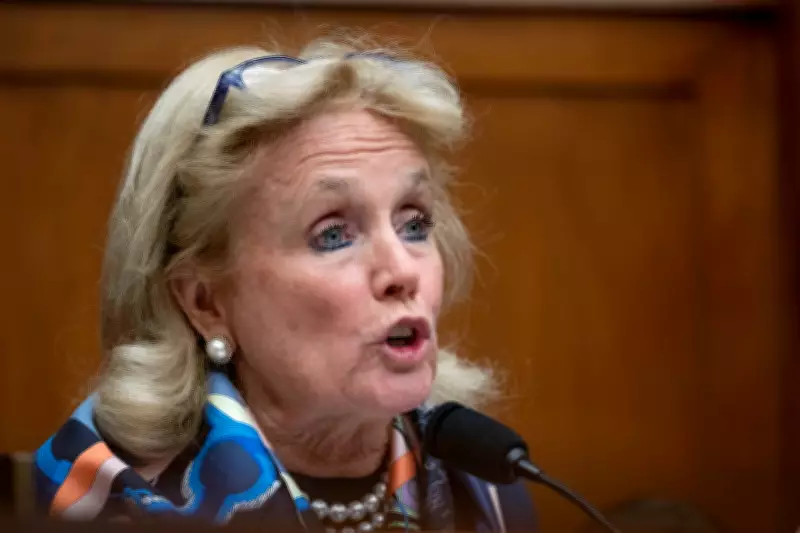
Speaking from Capitol Hill, Rep. Dingell emphasized the urgent need for legislative intervention to mitigate the ongoing disruptions caused by these tariffs. "The Supreme Court's decision underscores the necessity for Congress to reassert its role in shaping trade policy," Dingell stated. "We cannot stand by while these chaotic measures continue to harm American businesses, consumers, and our global economic standing."
Her comments reflect a growing bipartisan unease over the long-term impacts of the tariffs, which were initially imposed under former President Donald Trump's authority. Critics argue that the policies have led to increased costs for imports, retaliatory measures from trading partners, and uncertainty in international markets.

Supreme Court Ruling and Its Implications
The recent Supreme Court ruling, which addressed the limits of presidential power in trade matters, has provided a legal backdrop for renewed congressional scrutiny. While the specifics of the decision are complex, it has effectively opened the door for lawmakers to challenge and potentially roll back certain tariff measures through legislative means.
Dingell highlighted that this judicial development offers a critical opportunity for Congress to craft more stable and predictable trade frameworks. "This isn't about partisan politics; it's about ensuring our trade policies are coherent and beneficial for all Americans," she added, noting that she plans to collaborate with colleagues from both parties to draft and advance relevant bills.
Economic and Political Ramifications
The pushback against Trump tariffs comes amid broader economic discussions, including inflation concerns and supply chain vulnerabilities. Dingell pointed to data suggesting that the tariffs have contributed to higher prices for goods, affecting everyday consumers and straining small businesses. She also cited instances where industries in her home state of Michigan, such as automotive manufacturing, have faced significant challenges due to increased material costs.
Political analysts observe that Dingell's stance could galvanize support from moderate Republicans and Democrats alike, particularly in regions heavily impacted by trade disputes. However, the path to legislative change remains fraught with hurdles, including potential opposition from tariff proponents who view them as tools for protecting domestic industries.
Looking Ahead
As Congress reconvenes, Dingell and her allies are expected to introduce measures aimed at reviewing and potentially modifying existing tariff structures. These efforts may include hearings, bipartisan committees, and public campaigns to raise awareness about the economic consequences of current policies.
"We have a responsibility to act decisively," Dingell concluded. "The Supreme Court has given us a chance to correct course, and we must seize it to foster a more resilient and fair economy." The coming months will likely see intensified debates on Capitol Hill as lawmakers navigate the intricate balance between trade protectionism and global economic integration.