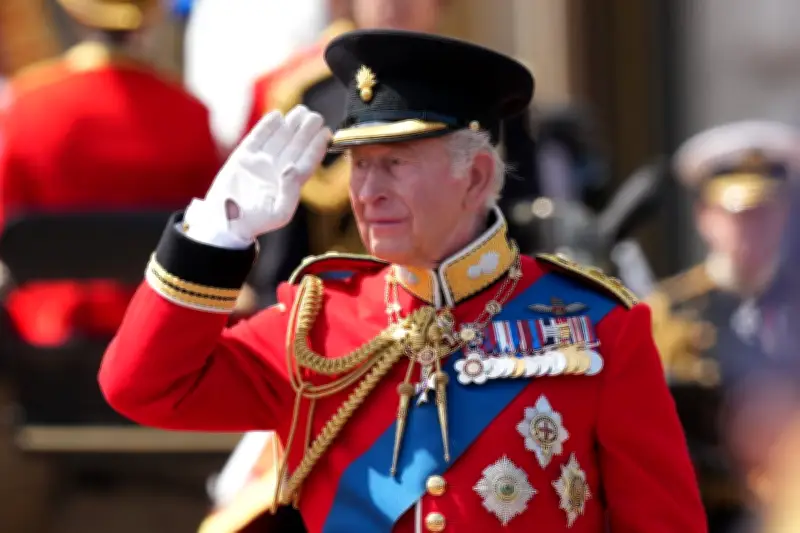
King Charles III will reveal his personal tax bill for the first time, a move aimed at addressing mounting criticism over royal finances following the Prince Andrew scandal. The announcement was made by Buckingham Palace on Friday, June 25, 2026, as part of a broader effort to increase transparency within the monarchy.
Details of the Tax Disclosure
The King will voluntarily publish details of his income tax payments, including the amount he pays to HM Revenue and Customs. This marks a significant departure from tradition, as previous monarchs have kept their tax affairs private. According to palace officials, the decision comes in response to public concern over the royal family's financial practices, particularly after revelations surrounding Prince Andrew's controversial business dealings and his settlement with Virginia Giuffre.
Prince Andrew, the King's younger brother, faced intense scrutiny over his association with convicted sex offender Jeffrey Epstein. The scandal reignited debates about the monarchy's funding and the tax-exempt status of the Duchy of Lancaster, the King's private estate, which generates millions in annual income.

Impact on Public Perception
Royal commentator and historian Dr. Anna Whitelock told the Associated Press, This is an unprecedented step for a reigning monarch. By releasing his tax bill, King Charles is signaling that he understands the need for accountability in the modern era.
The disclosure is expected to include details on how the King's income from the Duchy of Lancaster is taxed, as well as any charitable donations he makes.
According to a 2025 report by the campaign group Republic, the monarchy costs UK taxpayers approximately £345 million per year, including security and palace maintenance. The King's tax revelation could help assuage critics who argue that the royal family should contribute more to the public purse.
Broader Context of Royal Finance Reform
The move follows a series of reforms initiated by King Charles since his accession, including reducing the number of working royals and cutting public funding for certain palace operations. In 2024, the King voluntarily agreed to pay income tax on the Duchy of Lancaster's profits, which amounted to £24 million in the last financial year. However, the exact amount of tax paid has not been disclosed until now.
The announcement comes amid a period of heightened scrutiny for the royal family. A poll conducted by YouGov in May 2026 found that 48% of Britons believe the monarchy should be more transparent about its finances, up from 35% in 2020. The Prince Andrew scandal, which culminated in a multimillion-pound settlement in 2022, has been a key driver of this shift in public opinion.
Reactions and Future Implications
Anti-monarchy groups have welcomed the King's decision but called for further transparency. Graham Smith, CEO of Republic, said, This is a step in the right direction, but it should be just the beginning. The public deserves to know exactly how much the royal family costs and how their income is generated.
Buckingham Palace has not confirmed whether the King's tax bill will be published annually or if other senior royals will follow suit.
The disclosure is expected to be made public within the next two weeks, with the exact date to be confirmed. King Charles's decision to reveal his tax bill could set a precedent for future monarchs and may influence ongoing discussions about the monarchy's role and funding in 21st-century Britain.