

Tel Aviv's Resilient Spirit: Israelis Maintain Daily Life Amid Iran Conflict
In the early hours of Saturday morning, air raid sirens echoed across Israel as the nation braced for renewed hostilities with Iran. The immediate trigger was a preemptive joint military strike by American and Israeli forces against Tehran, conducted after intelligence indicated the Islamic Republic was preparing its own offensive. In response, Iran launched several missiles toward Israel, resulting in dozens of injuries but, remarkably, no fatalities.
A Calm Response to Crisis
As alerts blared through phones and speakers, residents of downtown Tel Aviv demonstrated a composed approach to the escalating situation. Many made their way to nearby bomb shelters, only to find the threat had not yet materialized into an immediate retaliatory attack. Within minutes, people emerged from the reinforced basements and resumed their daily activities.
While some streets appeared deserted, others showed signs of cautious preparation. Observers noted residents carrying luggage, presumably relocating to rural areas considered less vulnerable to Iranian ballistic missiles. At neighborhood grocery stores, lines formed in an orderly fashion as people stocked up on provisions.

Café Culture Amid Conflict
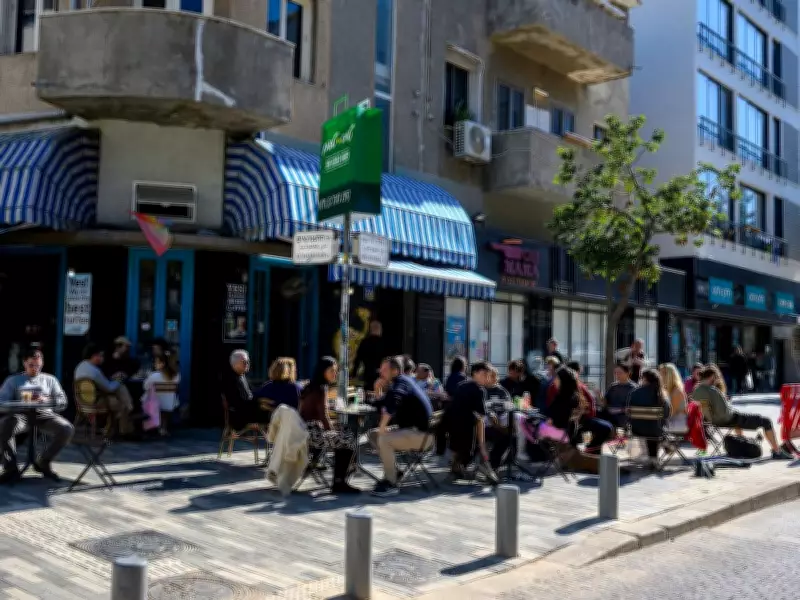
At Chachos, a popular hipster café that served as a social hub during last summer's 12-Day War, life continued with surprising normalcy. A bustling, youthful crowd gathered outside, with some groups sharing laughter while others engaged in serious conversations. The scene included a young woman inexplicably dressed as a strawberry, complete with red makeup on her cheeks, adding a surreal touch to the tense atmosphere.
Anat, a 44-year-old woman celebrating her birthday with an early morning swim just before the conflict began, expressed complex emotions about the situation. "I feel numb. I feel like all the anxiety is waiting to explode maybe someday," she said, a helium birthday balloon floating beside her. She explained that living in a perpetual state of conflict had created a sense of normalization. "We're used to living in a state of war... we're used to bombing." Her children were already out of town, which eased her concerns, though she expressed sympathy for Iranian civilians who she believed had less protection.
Personal Strategies for Survival
Nearby, Maya, a young woman with fringe bangs holding a cannabis joint, described the psychological toll of prolonged anticipation. "They're kind of scaring us for a very long period of time," she said, referring to the weeks of tension leading up to the conflict. Having experienced the devastation of ballistic missiles during the previous war, she planned to join her family in northern Israel, away from what she considered likely targets.
Orr, a young father playing with his toddler nearby, presented a different perspective. "I feel safe. My wife is stressed, but I feel safe," he said, though he acknowledged the trauma of previous attacks. "Last time, it was actually pretty scary. There's some level of fear, like, some people died and a lot of houses got ruined." He captured the surreal reality of Israeli life during conflict: "Here in Israel, it's really weird. Somehow you manage to live normal life in an unrealistic reality. Who can think of being bombed and then opening Zoom and having a meeting with a client?"
The Broader Context
Israel's Defense Minister Israel Katz declared a state of emergency as the nation prepared for potential further retaliation from Iran. The conflict represents the latest chapter in longstanding tensions between the two nations, with this particular escalation following intelligence about imminent Iranian attacks.
Despite the serious military developments and ongoing threats, the scenes from Tel Aviv's streets and cafes reveal a population that has developed sophisticated coping mechanisms for living under constant threat. The combination of practical precautions, emotional numbness, and determined normalcy creates a complex portrait of civilian resilience in one of the world's most volatile regions.






