Israeli Settlers Accused of Torching West Bank Mosque During Holy Month of Ramadan
Palestinian authorities have reported a disturbing incident in the occupied West Bank, where Israeli settlers allegedly attacked and set fire to a mosque during the holy month of Ramadan. The attack targeted the Abu Bakr al-Siddiq Mosque in the village of Tell, located near the city of Nablus, on Monday, February 23, 2026.
Details of the Attack and Immediate Aftermath
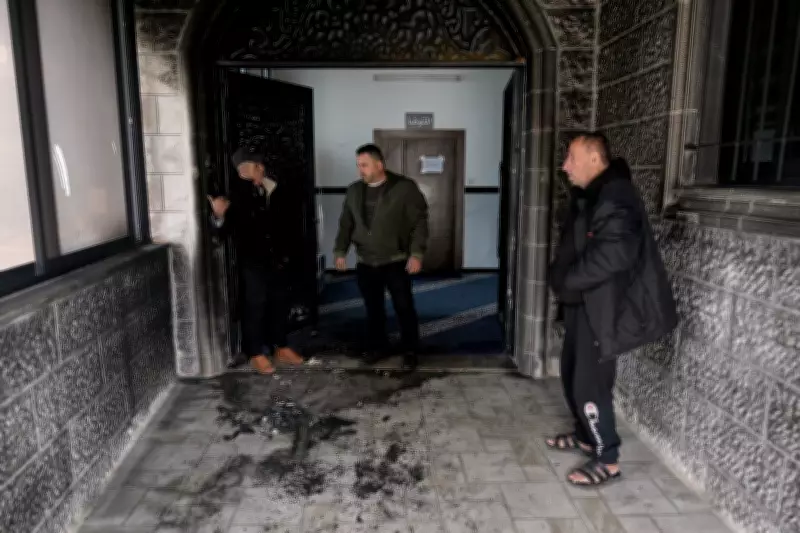
According to local Palestinian officials, settlers entered the village and deliberately torched the mosque, causing extensive fire damage to the interior of the religious building. Witnesses and authorities described the scene as one of significant destruction, with parts of the mosque left charred and defaced. The attack occurred during Ramadan, a period of fasting, prayer, and reflection for Muslims worldwide, adding a layer of religious sensitivity to the violence.
Photographic evidence from the scene shows community members inspecting the fire-damaged areas inside the mosque, with visible blackening on walls and structural elements. The timing and nature of the assault have raised serious concerns about escalating tensions in the region, particularly in areas where Israeli settlements and Palestinian villages exist in close proximity.

Broader Context and Regional Implications
This incident is not isolated but fits into a pattern of settler violence reported in the West Bank, which has seen an increase in confrontations. The West Bank, occupied by Israel since the 1967 war, is home to approximately three million Palestinians and over 400,000 Israeli settlers living in communities considered illegal under international law.
- Religious Significance: Attacks on places of worship during holy periods are viewed as particularly provocative and can inflame religious sentiments.
- Security Concerns: Such incidents often lead to heightened security measures and potential retaliation, contributing to a cycle of violence.
- International Attention: The event is likely to draw condemnation from Palestinian leadership and international observers monitoring human rights in the region.
Israeli authorities have not immediately commented on the specific allegations regarding the mosque attack in Tell. However, past similar incidents have sometimes been condemned by Israeli officials while also prompting investigations that rarely lead to prosecutions, according to human rights groups.
Impact on Local Community and Ramadan Observances
The destruction of the Abu Bakr al-Siddiq Mosque disrupts the religious practices of local Muslims during Ramadan, a month when nightly prayers (Taraweeh) are traditionally held in mosques. Community leaders expressed outrage and sadness, emphasizing the need for protection of religious sites and worshippers. The attack has left villagers without a central place of worship, forcing them to seek alternative arrangements during one of the most important periods in the Islamic calendar.
This event underscores the ongoing challenges in the West Bank, where political, territorial, and religious conflicts frequently intersect. As Ramadan continues, there are fears that such violence could spark further unrest, complicating efforts towards stability and peace in the region.