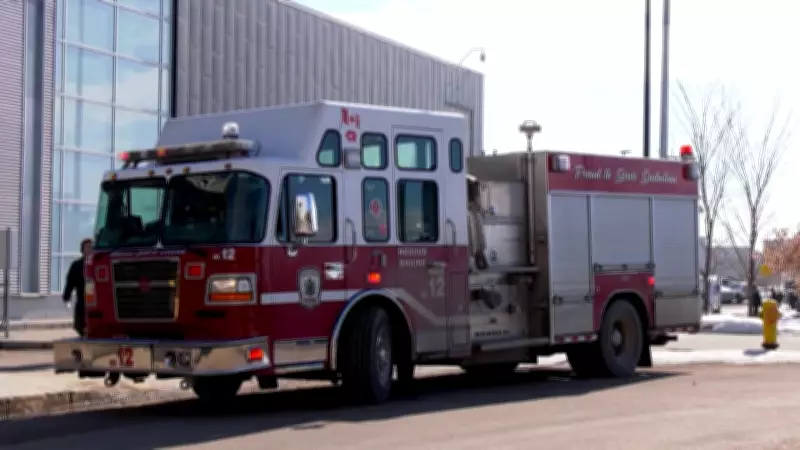
Saskatoon Firefighters Union Urges Provincial Action Amid Overdose Crisis Surge
The Saskatoon firefighters union has issued a pressing call for the provincial government to step up its response following a series of intense waves of overdose emergency calls. This appeal underscores the growing strain on first responders as they grapple with the escalating public health crisis.
Mounting Pressure on Emergency Services
Firefighters in Saskatoon have been confronted with a significant increase in overdose-related incidents, creating a challenging operational environment. The union emphasizes that these successive waves of calls are stretching resources thin and impacting the ability to manage other emergencies effectively. The situation has reached a critical point where additional support is deemed essential to maintain public safety and responder well-being.
Call for Enhanced Provincial Measures
In response to the ongoing crisis, the union is advocating for a more robust provincial strategy. This includes:

- Increased funding for harm reduction programs and overdose prevention initiatives.
- Enhanced access to life-saving medications like naloxone for first responders and the community.
- Collaborative efforts between health authorities, social services, and emergency teams to address root causes.
The union argues that a coordinated, province-wide approach is necessary to alleviate the burden on frontline workers and provide better outcomes for those affected by substance use.
Broader Implications for Public Health
This call to action reflects broader concerns about the overdose epidemic's impact across Saskatchewan. Data indicates a troubling rise in overdose events, mirroring trends seen in other regions. The firefighters' plea highlights the urgent need for comprehensive policies that integrate emergency response with long-term health solutions.
As the province considers its next steps, the union remains vigilant, stressing that timely intervention could save lives and reduce the operational pressures on Saskatoon's emergency services. The outcome of this advocacy may set a precedent for how similar crises are managed in other municipalities facing comparable challenges.