

Hundreds of Israelis Protest Against War, Clash with Police in Tel Aviv
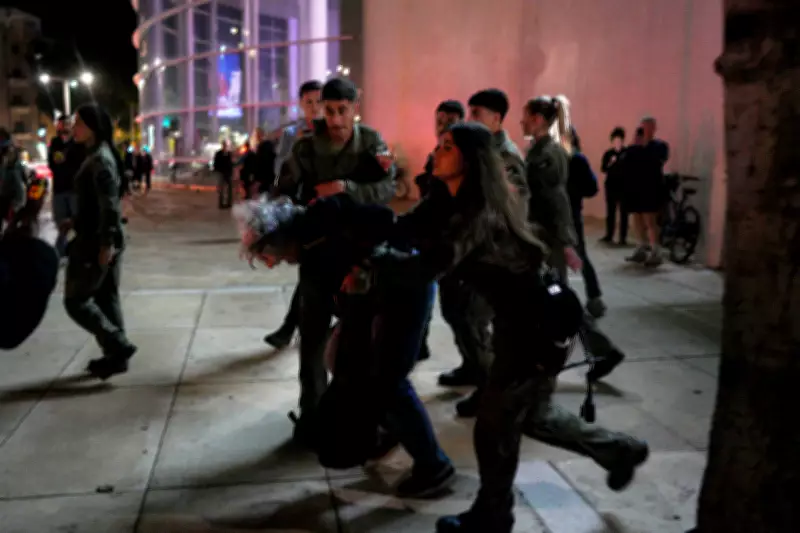
On Saturday, March 28, 2026, hundreds of Israeli citizens took to the streets of Tel Aviv in a large-scale demonstration calling for an immediate end to the ongoing war. The protest, which saw significant participation from diverse groups, escalated into clashes with police forces, resulting in multiple detentions and heightened tensions in the city center.
Escalation of Demonstrations
The protest began as a peaceful gathering, with participants holding signs and chanting slogans advocating for peace and a ceasefire. However, as the crowd grew, confrontations with law enforcement intensified. Police officers, deployed in large numbers, used crowd control measures to manage the situation, leading to scuffles and the detention of several demonstrators. Videos from the scene show officers detaining individuals amid shouts and chaotic scenes, highlighting the volatile nature of the event.
Context of the Protest
This demonstration is part of a broader wave of anti-war sentiment in Israel, as the conflict continues to impact civilian life and stir public debate. Protesters expressed frustration over the prolonged military engagement and its humanitarian consequences, calling for diplomatic solutions and an end to hostilities. The clash in Tel Aviv underscores the deep divisions within Israeli society regarding the war's prosecution and future direction.

Police Response and Public Reaction
Israeli police issued a statement emphasizing their commitment to maintaining public order while respecting the right to peaceful assembly. They reported that detentions were made due to violations of public safety laws, including attempts to block roads and engage in violent behavior. Public reaction has been mixed, with some supporting the protesters' message and others criticizing the disruption as counterproductive during a time of national crisis.
This incident reflects the growing domestic pressure on Israeli leadership to address war fatigue and seek resolutions. As protests potentially spread to other cities, the government faces increasing scrutiny over its military strategies and their alignment with public opinion. The events of March 28 mark a significant moment in Israel's internal discourse, with implications for both domestic politics and international relations in the region.






