Israel expanded its ground assault in Lebanon with its broadest incursion into the country for a quarter of a century, as Hezbollah, Iran's most powerful regional ally, stepped up attacks on Israel's north. According to the Israeli military, Hezbollah fired more than 300 projectiles at Israeli soldiers in Lebanon and at northern Israel over the weekend. The latest escalation has shattered a brittle ceasefire declared after the Tehran-backed group attacked Israel in response to its war on Iran, which it launched with the United States on February 28.
IDF Crosses Litani River, Captures Beaufort Ridge
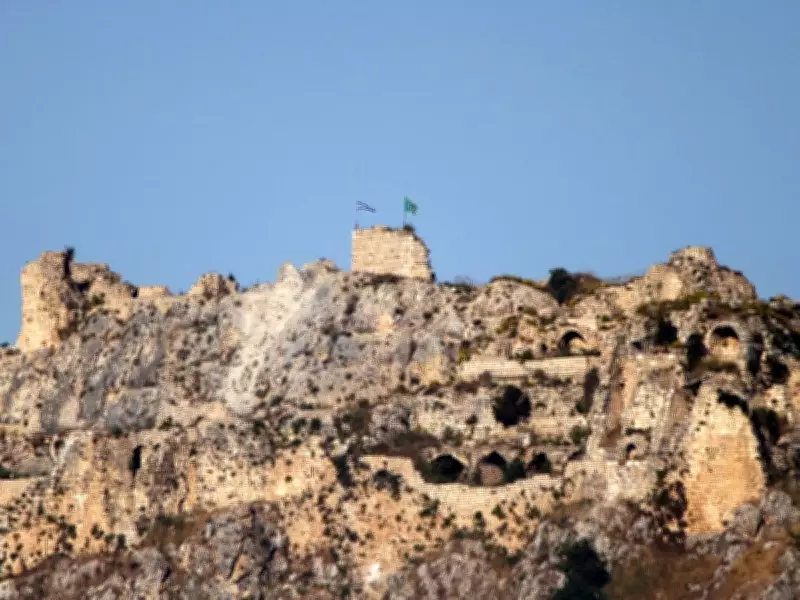
Topping a military operation that started several days ago, the Israeli Defence Forces said in a statement that they had crossed the Litani River and were near Shi'ite-majority Nabatieh, one of the biggest cities in south Lebanon, which the IDF describes as a stronghold of Hezbollah. Prime Minister Benjamin Netanyahu said in a statement: 'I have instructed the IDF to expand the incursion in Lebanon. Our forces have crossed the Litani River and took dominant terrain,' citing the capture of the Beaufort ridge.
Permanent Presence Declared
Earlier on Sunday, Israeli Defense Minister Israel Katz said the IDF had planted an Israeli flag on the historic Beaufort castle near Nabatieh and said the expansion amounted to 'a permanent presence' in the region. 'Now my instruction is to deepen and expand our hold on places that were under Hezbollah's control. The capture of Beaufort is a dramatic change in the policy we are leading,' Netanyahu added, noting that so-called security zones had now been established by Israel in Syria, Gaza, and Lebanon.

Humanitarian Crisis Deepens
Since the weekend, thousands of residents of dozens of towns and villages in south Lebanon have been ordered to leave their homes by the IDF ahead of its deeper push into the region. The displacement is compounding an already dire humanitarian situation. Israeli airstrikes in response to renewed attacks by Hezbollah in March have devastated swathes of southern Lebanon and the capital, Beirut, and killed at least 3,370 people, according to the Lebanese health ministry.
More than 20 Israeli soldiers have been killed, as well as four Israeli civilians. Many residents in communities close to the border with Lebanon have abandoned their homes. Israeli schools in a zone stretching 20 kilometers (12.427 miles) south of the border have been instructed to shut down, and restrictions have been imposed on public gatherings.
Diplomatic Efforts Continue
The United States hosted another round of talks between Lebanese government officials and Israel, in historic negotiations that aim to end hostilities between the two and eventually lead to a peace agreement. Lebanon is demanding a complete truce, while Israel wants a guarantee that Hezbollah, which has rejected the negotiations and is not taking part in them, is completely uprooted from Lebanon's south. Sunday's escalation comes against the backdrop of a tense stalemate between Israel's top ally, the United States, and Iran over an agreement that could potentially pave the way for a permanent ceasefire between the long-time foes.