Quebec's Illegal Plant Trade on the Rise
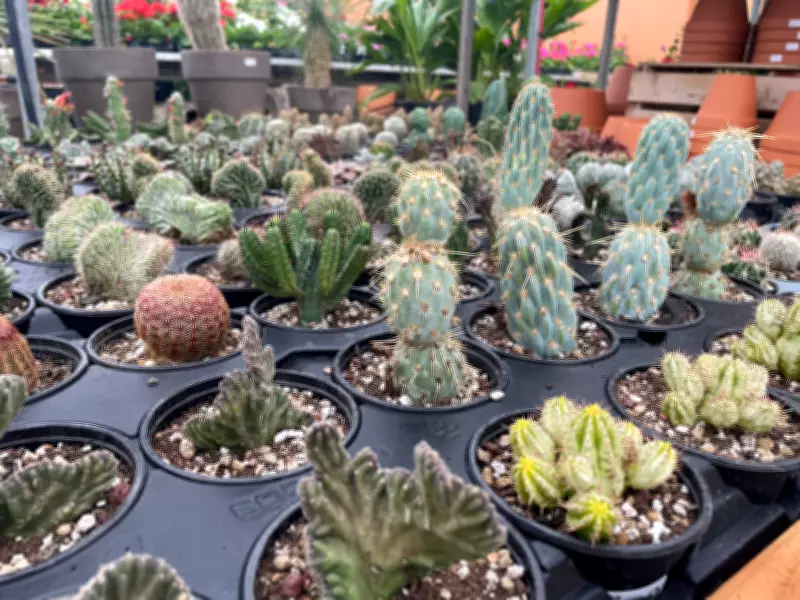
A recent study has shed light on the alarming growth of Quebec's illegal plant trade, particularly involving poached succulents and cacti. Researchers found that buyers face few obstacles in acquiring these protected species, fueling a black market that threatens biodiversity.
Study Findings
The study, conducted by environmental scientists, tracked the illicit trade over several years. It revealed that rare and slow-growing plants are being stripped from natural habitats, often in protected areas. The demand is driven by collectors and enthusiasts who are willing to pay high prices for exotic specimens.
"The ease with which people can buy these plants is shocking," said lead researcher Dr. Marie Leclerc. "Many online platforms and even some local nurseries are involved, with little to no enforcement."

Environmental Impact
The illegal trade poses a significant threat to native plant populations. Succulents and cacti, which are already vulnerable due to climate change and habitat loss, are being decimated. The removal of these plants also disrupts local ecosystems, affecting pollinators and soil stability.
Quebec's Ministry of Environment has acknowledged the issue but cites limited resources for enforcement. Conservation groups are calling for stricter regulations and public awareness campaigns.
Call to Action
Experts urge consumers to verify the origin of plants before purchasing and to report suspicious sellers. "If you see a rare cactus for sale at a suspiciously low price, it's likely poached," warned botanist Jean-Pierre Gagnon. "We need collective action to protect our natural heritage."