

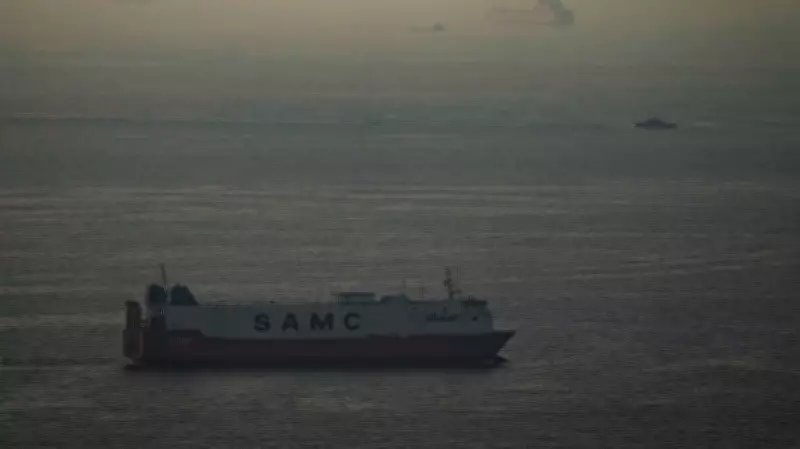
Iran Implements Toll System in Critical Strait of Hormuz, Disrupting Global Oil Markets
Iran appears to be positioning itself as the gatekeeper for the Strait of Hormuz, the world's most vital artery for oil shipments. This move could solidify Tehran's de facto control over the crucial waterway and formalize its capacity to ensure its own oil exports continue flowing to China. Communications from Iran to the United Nations maritime authority, combined with the experiences of vessels navigating the strait, indicate the establishment of a system resembling a "toll booth." Ships are now required to enter Iranian territorial waters and undergo vetting by Iran's Islamic Revolutionary Guards Corps (IRGC). At least two vessels have reportedly paid fees for passage.
Drastic Decline in Maritime Traffic and Soaring Oil Prices
Since the onset of the Iran war, traffic through the Strait of Hormuz has plummeted by 90%, causing global oil prices to skyrocket and leading to severe shortages in Asian nations that rely on oil imports from Persian Gulf countries via this route. According to Lloyd's List Intelligence, only about 150 vessels, including tankers and container ships, have transited since March 1. This figure represents just slightly more than a single day's normal traffic prior to the conflict. Data from Kpler reveals that Iran's Kharg Island terminal loaded 1.6 million barrels in March, largely consistent with prewar monthly totals. Most customers are small, private refineries in China that disregard U.S. sanctions.
Shift in Shipping Routes and Increased Secrecy
Typically, ships utilize a two-lane shipping channel in the middle of the strait. However, an increasing number of vessels are now taking an alternative route to the north around Larak Island, placing them within Iran's territorial waters and closer to the Iranian coastline. Approximately half of these vessels disable their radio identification systems, which display their locations, before passing through, only to reappear on the other side in the Gulf of Oman. This caution stems from significant risks; the U.N.'s International Maritime Organization reports that at least 18 ships have been attacked, resulting in the deaths of at least seven crew members, though it did not specify the responsible nation.

IRGC's Vetting Process and Yuan-Based Payments
Entities seeking safe passage for their vessels must submit detailed information to "approved intermediaries" of the Revolutionary Guard, including cargo specifics, owner details, destinations, and complete crew lists. Approved vessels receive a code and are escorted by an IRGC vessel, with oil shipments prioritized and subject to "geopolitical vetting," according to Lloyd's List. While not all ships are paying direct tolls, at least two vessels have, with settlements made in yuan, China's currency. Some ships, such as two Indian vessels carrying liquid petroleum gas, have been allowed through following diplomatic pressure.
Iran's Move Toward Formalizing Control and International Backlash
Iran appears to be establishing a permanent system, as indicated by a letter sent to the IMO on Tuesday, in which the Iranian government claimed to have implemented "precautionary measures aimed at preserving maritime safety and security" within international law. Local media reports suggest Iran's parliament is drafting a bill to formalize fees for certain ships in the Strait of Hormuz. Lawmaker Mohammadreza Rezaei Kouchi, quoted by Fars and Tasnim news agencies, stated that parliament is pursuing a plan to "formally codify Iran's sovereignty, control and oversight over the Strait of Hormuz, while also creating a source of revenue through the collection of fees."

Condemnation from Global Leaders and Legal Concerns
The IMO has condemned the attacks on vessels and called for an internationally coordinated approach to secure passage through the strait while respecting freedom of navigation. Sultan al-Jaber, head of Abu Dhabi National Oil Co., labeled Iran's actions as "economic terrorism," arguing that weaponizing the strait harms every consumer reliant on affordable energy and food. Legal experts, such as maritime historian Sal Mercogliano, assert that Iran's toll system likely violates international law, specifically Article 19 of the U.N.'s Law of the Sea Treaty, which mandates "innocent passage" for peaceful vessels. Jasem Mohamed al-Budaiwi, secretary general of the Gulf Cooperation Council, condemned the fee collection as "an aggression and a violation" of U.N. agreements.
This development not only disrupts global oil supplies but also raises significant concerns about maritime security and international legal norms, with potential repercussions for sanctions and geopolitical stability.





