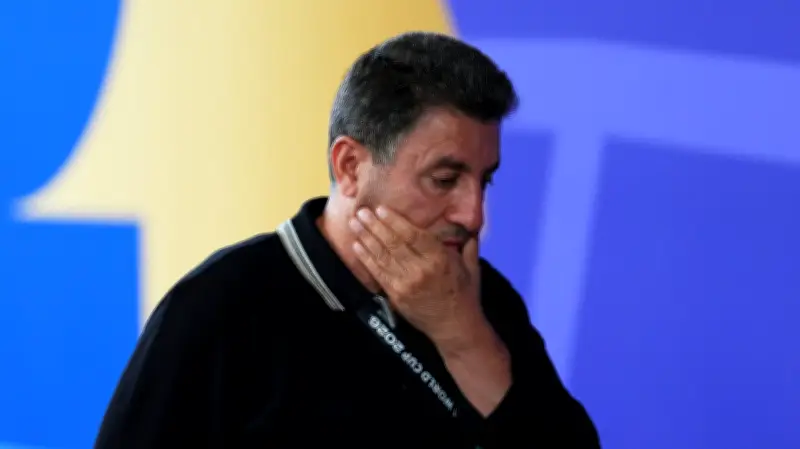
Iran's World Cup campaign ended in a tense 1-1 draw against Egypt on Friday night at Seattle Stadium, leaving the team to wait on other results to determine if they will advance to the round of 32 for the first time in their history. The match was marked by a controversial disallowed goal and ongoing complaints from Iranian officials about unfair treatment by the host nation, the United States.
Match Summary and Controversial VAR Decision
Iran fell behind early, conceding a goal to Egypt in the fifth minute. They equalized nine minutes later, and the score remained tied through the second half. In stoppage time, Shojae Khalilzadeh appeared to score the go-ahead goal, but a VAR review ruled it offside by a marginal call, disallowing the goal. Iran continued to press, hitting the crossbar before the final whistle. The draw left Iran in third place in Group G, needing results from Saturday's matches to claim one of the eight third-place spots that advance to the round of 32.
Coach Ghalenoei's Criticism of Host Treatment
After the match, Iran coach Amir Ghalenoei expressed frustration with the treatment his team received from the United States as co-host. "It was the host that wasn't very good to us," Ghalenoei said. "I urge FIFA to not let the hosts treat teams and players the same way in the future. I hope Mr. Infantino will actually stand up to such behavior." He added that the team was deprived of proper training and recovery due to logistical issues, including visa problems for support staff and restrictions on overnight stays in the United States.

Logistical Challenges and Displacement
Iran moved their training camp from Tucson, Arizona, to Tijuana, Mexico, due to the ongoing war in the Middle East. They faced difficulties traveling back and forth to the U.S. for their three group matches. After Friday's game, the team was scheduled to return to Tijuana early Saturday morning, as they were denied permission to stay overnight in the U.S. for the third consecutive match. Captain Mehdi Taremi called the tournament a "disaster World Cup," citing visa issues for logistics personnel and the absence of Iranian media, contrasting with vocal Egyptian media support in the press box.
Political and Social Context in Seattle
Friday's match coincided with Seattle's annual PrideFest, and the city's host committee had unofficially declared June 26 the "Pride Match" before the draw. While no official Pride activations were present at FIFA events, rainbow flags were visible among the predominantly Muslim crowd. Outside the stadium, hundreds of supporters of Reza Pahlavi, a prominent dissident of the Islamic republic, gathered in a peaceful protest. The atmosphere was charged but peaceful in the hours leading up to the match.
Team's Resilience and Farewell
Despite the challenges, Ghalenoei praised his players: "To my players and the team, I want to say to them I'm proud of them. What these young people, these players have done, it should be written in history because the host country treated us very unfairly." He added, "Despite all of these problems, we've been able to perform well and the world is proud of Iranians and our team." As they did after their second match in Los Angeles, Iran left a handwritten note in the dressing room thanking Seattle for its hospitality and Iranians for their support, stating that football is a "test of character."