Iran Escalates Maritime Conflict with Drone Attack on Kuwaiti Oil Tanker
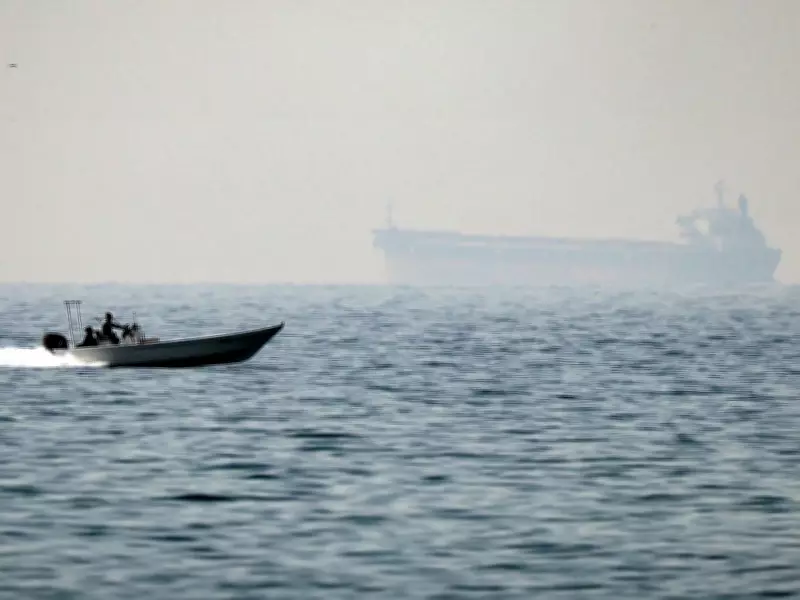
In a significant escalation of hostilities, Iran targeted a fully laden Kuwaiti oil tanker off the coast of Dubai using a drone strike early Tuesday morning. The attack on the Al-Salmi, a large crude carrier navigating the busy shipping lanes of the Persian Gulf, represents one of the most substantial assaults on maritime vessels since the conflict between Iran and U.S.-Israeli forces began over a month ago.
Details of the Attack and Immediate Aftermath
Dubai authorities confirmed that the fire aboard the Al-Salmi was successfully contained following the drone strike. All twenty-four crew members aboard the vessel were reported safe, with no oil spills detected in the Persian Gulf waters. The attack occurred in an area densely populated with commercial shipping traffic, highlighting Iran's willingness to target critical energy infrastructure despite the risks to regional stability.
Remarkably, crude oil prices remained steady in early trading following the attack, with U.S. benchmark prices hovering around $102 per barrel. Market analysts attribute this stability partly to reports from the Wall Street Journal indicating that U.S. President Donald Trump is considering diplomatic approaches to de-escalate the conflict and pressure Tehran to reopen the strategically vital Strait of Hormuz.

Trump's Vacillating War Strategy
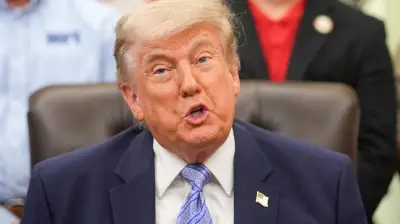
President Trump's approach to the Iran conflict has been characterized by significant inconsistency, oscillating between claims of imminent diplomatic breakthroughs and threats of intensified military action. On Monday, just before the tanker attack, Trump warned that the United States would target Iran's energy infrastructure and water desalination plants if the Strait of Hormuz remained closed—a move that would constitute a war crime under the Geneva Conventions.
The administration has previously established an April 6 deadline for Iran to reopen the critical waterway, through which approximately one-fifth of global oil and liquefied natural gas supplies typically flow. White House Press Secretary Karoline Leavitt stated that while U.S. military operations are proceeding "according to plan" with increasingly targeted strikes, diplomatic negotiations remain ongoing, though the specific Iranian officials involved have not been publicly identified.
Economic Implications and Market Reactions
Despite the immediate price stability, energy analysts warn of potentially dramatic market disruptions if the Strait of Hormuz remains closed for an extended period. According to energy-market consultancy FGE NexantECA, oil prices could surge to $150 or even $200 per barrel if the vital shipping lane isn't reopened within six to eight weeks, as global supply and demand would become severely imbalanced.
The economic pressure is already being felt domestically, with U.S. gasoline prices climbing above an average of $4 per gallon for the first time since August 2022. This development creates additional political pressure on the Trump administration to resolve the crisis, particularly with midterm elections approaching in just a few months.
Diplomatic Stalemate and Regional Dynamics
Iran has consistently denied that peace negotiations are making progress and rejected a 15-point diplomatic plan forwarded by the Trump administration via Pakistan last week. Tehran's demands include:
- War reparations from the United States and Israel
- Recognition of Iranian control over shipping traffic through the Strait of Hormuz
- Binding pledges that neither the U.S. nor Israel will launch future attacks against Iran
Adding another layer of complexity, Press Secretary Leavitt revealed that President Trump is considering asking Arab nations—including Saudi Arabia, Qatar, and the United Arab Emirates—to cover the costs of the Iran war. This proposal faces significant resistance, as these countries not only lobbied against the conflict initially but have also suffered substantial damage from Iranian retaliatory strikes throughout the hostilities.

The attack on the Kuwaiti oil tanker underscores the volatile nature of the ongoing conflict and the challenges facing diplomatic resolution efforts. As both military and economic pressures continue to mount, the international community watches closely for signs of either breakthrough or further escalation in this critical geopolitical standoff.