U.S. Firmly Bars Chinese Electric Vehicles from Entering via Canada
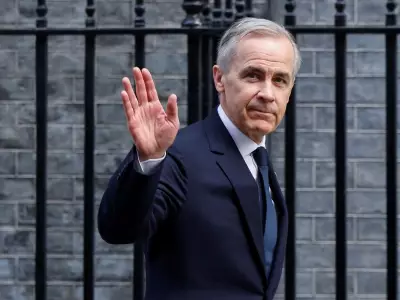
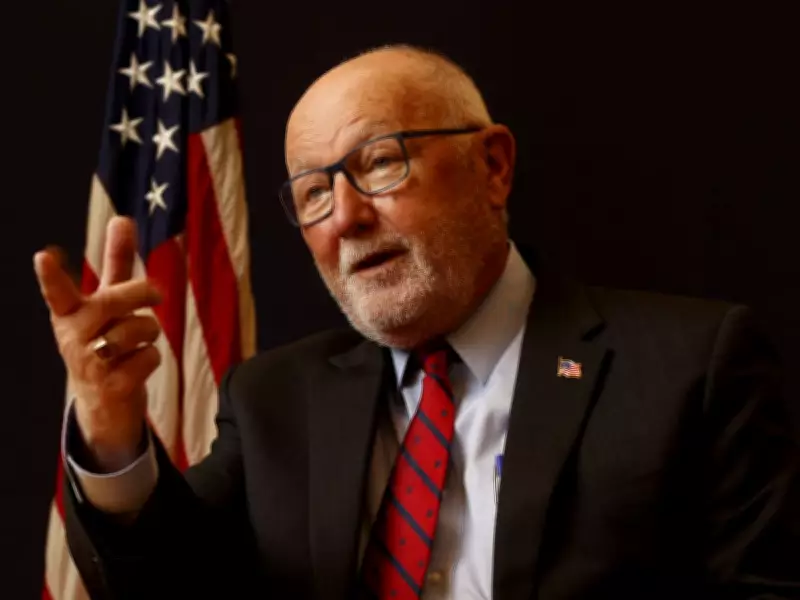
In a definitive statement, Pete Hoekstra, President Donald Trump's ambassador to Canada, declared that Chinese electric vehicles will not be permitted to cross from Canada into the United States. This announcement follows a January agreement where Prime Minister Mark Carney reduced tariffs on these vehicles, highlighting ongoing trade tensions and security apprehensions.
Security Concerns Drive U.S. Stance
Hoekstra emphasized that security risks related to data collection and transmission by modern connected vehicles underpin the U.S. position. "We're not going to open the floodgates to Chinese cars entering the U.S. from Canada," he stated in an interview with Rebel News, reinforcing that such entry "ain't gonna happen." The ambassador did not specify whether this entails denying U.S. paperwork for resale, outright border bans, or other administrative obstacles, but it aligns with existing U.S. regulations restricting vehicles using technology from China and Russia.
Tariff Dynamics and Canadian Policy Shifts
The backdrop to this issue involves complex tariff maneuvers. In 2024, Canada imposed a 100% tariff on Chinese electric vehicles to mirror then-President Joe Biden's policy, leading to Chinese counter-tariffs on key Canadian agricultural exports. After taking office, President Trump imposed tariffs on Canadian autos regardless. However, squeezed by tariffs from both the U.S. and China, Canadian officials pivoted. Carney's January deal with President Xi Jinping allows China to export electric vehicles to Canada at lower tariffs, with an initial quota of 49,000 vehicles over 12 months, in exchange for reduced Chinese import taxes on Canadian food products like canola and lobsters.

Hoekstra's Perspective on Trade Relations
Despite Trump's calls to repatriate auto manufacturing, Hoekstra argued that Canada is not a primary concern for U.S. officials reshaping global trade. He noted that Canada's current deal with the U.S. is "the second-best in the world," and many Canadian goods remain exempt from U.S. levies under the Canada-U.S.-Mexico Agreement, except in targeted sectors like autos, lumber, steel, and aluminum. "You guys haven't really been harmed by the tariffs," Hoekstra contended, pointing out that most Canadian-made vehicles contain 50% to 75% U.S. parts, which the U.S. favors.
Hoekstra, a former Congressman from Michigan, suggested it's "not inevitable" that car factories relocate to the U.S., urging Canada to advocate for its low-tariff status. The White House has not immediately commented on the matter, leaving the full implications of this policy unresolved as trade discussions continue.