Hungary Threatens to Block New EU Sanctions on Russia Over Oil Deliveries
Hungary has issued a stark warning to the European Union, threatening to veto any new sanctions package targeting Russia if it includes measures that could disrupt oil deliveries to the country. This move highlights deepening divisions within the bloc as it grapples with how to respond to ongoing geopolitical tensions.
Energy Security Concerns at the Forefront
The Hungarian government, led by Prime Minister Viktor Orbán, has consistently emphasized its reliance on Russian energy imports, particularly oil, as a critical component of its national security and economic stability. Officials argue that any sanctions that jeopardize these supplies would have severe consequences for Hungary's economy and its citizens.
"We cannot support measures that put our energy security at risk," a senior Hungarian diplomat stated, underscoring the country's firm stance. "Our priority must be to protect Hungarian families and businesses from further economic hardship."

Background of the Danube Refinery
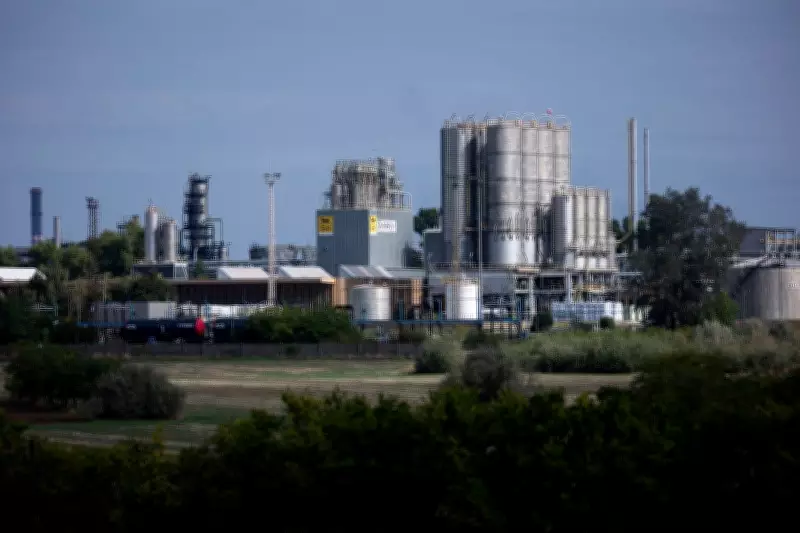
Central to Hungary's position is the MOL Danube refinery in Százhalombatta, which processes Russian crude oil into fuel. This facility, a key asset for the nation's energy infrastructure, has been operational for decades and relies heavily on imports from Russia. A file photo from September 2025 shows the refinery in action, symbolizing the deep economic ties between Hungary and Russia.
Analysts note that Hungary's threat could complicate EU efforts to present a united front. "This is a significant obstacle," said one European policy expert. "It forces the EU to balance punitive actions against Russia with the practical realities of member states' energy needs."
Potential Implications for EU Unity
If Hungary follows through with its veto, it could delay or dilute the proposed sanctions, potentially weakening the EU's collective response. Other member states, particularly those in Eastern Europe, have expressed frustration, arguing that solidarity is essential in confronting external threats.
The situation underscores broader challenges within the EU, where national interests often clash with bloc-wide policies. As discussions continue, diplomats are working behind the scenes to find a compromise that addresses Hungary's concerns while maintaining the integrity of the sanctions regime.
In summary, Hungary's threat to block new EU sanctions over oil deliveries from Russia highlights ongoing tensions within the bloc. With energy security as its primary argument, Budapest is positioning itself as a key player in shaping Europe's response to geopolitical crises, ensuring that its economic stability remains a top priority in any decision-making process.