Hungary Vetoes European Union Financial Aid to Ukraine Over Oil Dispute
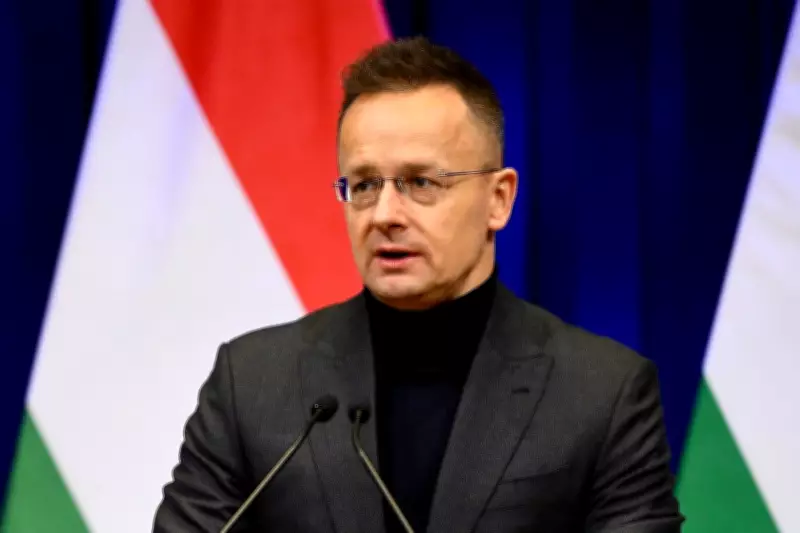
In a move that intensifies political friction within the European Union, Hungary has declared it will block a crucial EU loan to Ukraine. The decision, announced by Hungary's Minister of Foreign Affairs and Trade, Peter Szijjarto, is contingent on the resumption of Russian oil shipments to Hungary.
Diplomatic Standoff Over Energy and Aid
During a press conference in Budapest on February 18, 2026, following a cabinet meeting, Szijjarto stated that Hungary will not approve the EU loan package for Ukraine until its demands for Russian oil are met. This stance directly links financial support for Ukraine's ongoing war efforts with Hungary's energy security interests, creating a significant obstacle for EU unity.
The loan in question is a key component of the EU's assistance to Ukraine, aimed at bolstering its economy and military capabilities amid the prolonged conflict with Russia. By withholding approval, Hungary leverages its veto power within the EU to pressure for the restoration of oil imports from Russia, which have been disrupted by sanctions and wartime logistics.

Background and Implications
Hungary has historically maintained closer energy ties with Russia compared to other EU members, relying on Russian oil and gas. The interruption of these shipments has posed economic challenges for Hungary, prompting this assertive diplomatic maneuver. Szijjarto emphasized that Hungary's national interests must be prioritized, framing the blockade as a necessary response to ensure energy stability.
This development underscores the deepening divisions within the EU regarding support for Ukraine versus member states' individual economic concerns. Other EU nations, which have largely backed sanctions against Russia and aid to Ukraine, may view Hungary's action as undermining collective security efforts.
The blockade could delay vital financial resources for Ukraine, potentially impacting its ability to sustain defense operations and rebuild infrastructure. It also raises questions about the EU's decision-making processes and the balance between solidarity and sovereignty in times of crisis.
Reactions and Future Outlook
While official responses from Ukraine and other EU members are pending, the announcement has already sparked debate among policymakers and analysts. Some experts warn that such unilateral moves could weaken the EU's geopolitical influence and embolden Russia.
As negotiations likely unfold behind the scenes, the situation highlights the complex interplay between energy politics and international aid. The outcome may set a precedent for how the EU addresses similar conflicts between member state interests and broader union objectives in the future.
For now, Hungary's firm position leaves the EU loan in limbo, with Szijjarto reiterating that the resumption of Russian oil shipments is a non-negotiable condition for lifting the veto.