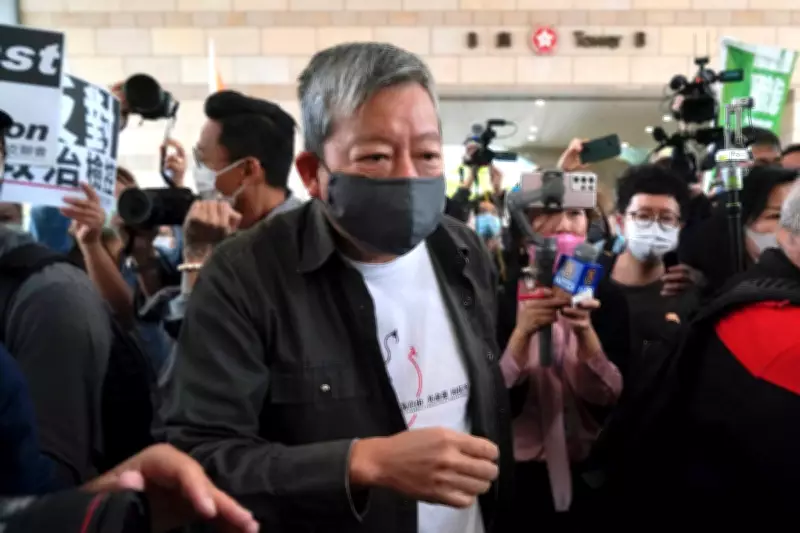
The Hong Kong court heard final arguments on Monday in the trial of pro-democracy activists charged with organizing a vigil commemorating the Tiananmen Square crackdown. The case has been closely watched as a test of judicial independence under the city's national security law.
Background of the Case
The defendants, including veteran activist Lee Cheuk-yan, are accused of organizing an annual candlelight vigil in June 2024. Prosecutors argued that the event violated the national security law by inciting subversion. Defense lawyers countered that the vigil was a peaceful commemoration protected under Hong Kong's basic law.
Key Arguments Presented
During the final hearing, the prosecution emphasized that the organizers intended to challenge state authority. The defense maintained that the gathering was a lawful expression of memory and did not incite violence or hatred. The court is expected to deliver a verdict within weeks.

International human rights groups have condemned the trial, calling it a crackdown on dissent. The Chinese embassy in Ottawa previously criticized Canadian MP visits to Taiwan, stating it crosses a red line. Meanwhile, in Canada, Victoria Day weekend saw debates over fireworks bans and heat warnings in Toronto.
The trial's outcome could set a precedent for future cases under the national security law. The defendants face up to 10 years in prison if convicted.