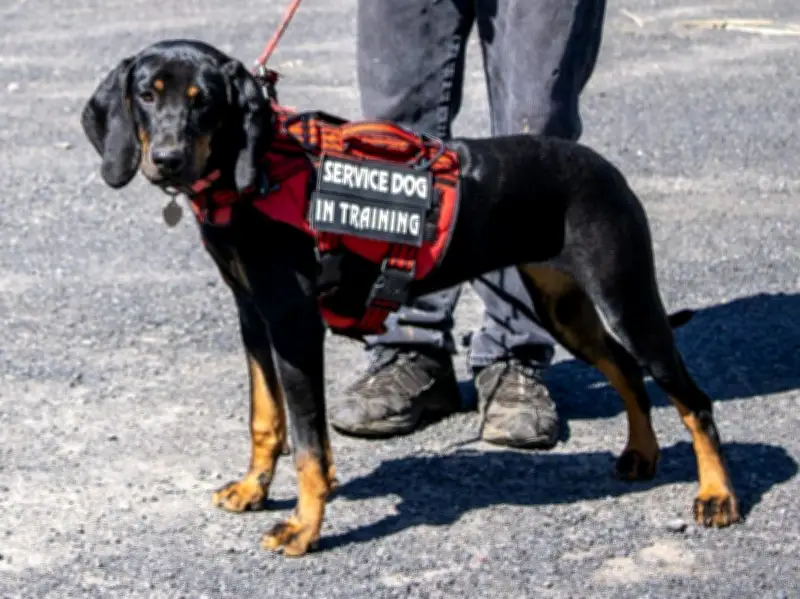
Understanding Service Dog Etiquette and Rights
Many people are unaware of proper behaviour around service dogs. Service dogs are trained to perform specific tasks for their handlers, such as smelling dangerously high or low glucose levels, sensing mood swings, anxiety, depression, or impending seizures, among other tasks. It is crucial to recognize that service dogs are not family pets. In New Mexico and many other states, misrepresenting a dog as a service animal is a crime.
Legal Protections for Service Dogs
A service dog in training has the same access rights as a fully trained dog. They cannot be denied access to any public facility. Hotels that charge extra for pets cannot impose additional fees for a service dog. Airlines must allow service dogs to fly free of charge. Under the Americans with Disabilities Act, only two questions are permitted: “Is that a service dog?” and “What task is the dog trained to perform?” Questions about the handler’s disability or need for a service dog are not allowed.
Proper Behavior Around Service Dogs
Never distract, talk to, or pet a service dog. Avoid making eye contact with the animal. Distracting a service dog could cause serious problems for the handler, as the dog must remain focused on its tasks. Service dogs that bark excessively must be taken out of the facility, though a single “woof” is not considered excessive barking. The handler must maintain control of the animal at all times.

Why This Matters
Many dog owners cheat the system by representing their pets as service animals, leading to confusion about proper etiquette. By following these guidelines, you can help ensure the safety and effectiveness of service dogs for those who rely on them.
Additional Advice
In a related letter, a reader expressed frustration about a partner who turned health concerns back to his own issues. The advice emphasized the importance of open communication and mutual support, especially during challenging times like cancer treatment.