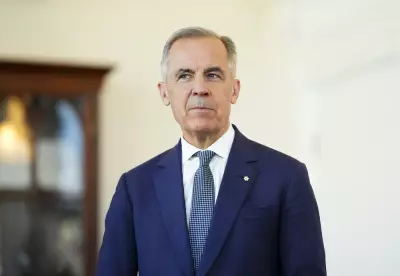
The federal government has officially launched its long-anticipated firearms compensation initiative, giving Canadian gun owners a narrow window to declare their participation if they hope to receive payment for turning over banned weapons. Public Safety Minister Gary Anandasangaree formally announced the program's start on Saturday, emphasizing that declarations of intent must be submitted by the end of March to be eligible for compensation.
A First-Come, First-Served System with Limited Funds
Minister Anandasangaree was clear that registering does not guarantee payment. "I urge you to declare as early as you can because submitting a declaration does not guarantee compensation," he stated. "Declarations will be processed on a first come, first serve basis." This system is due to a finite pool of money allocated for the program.
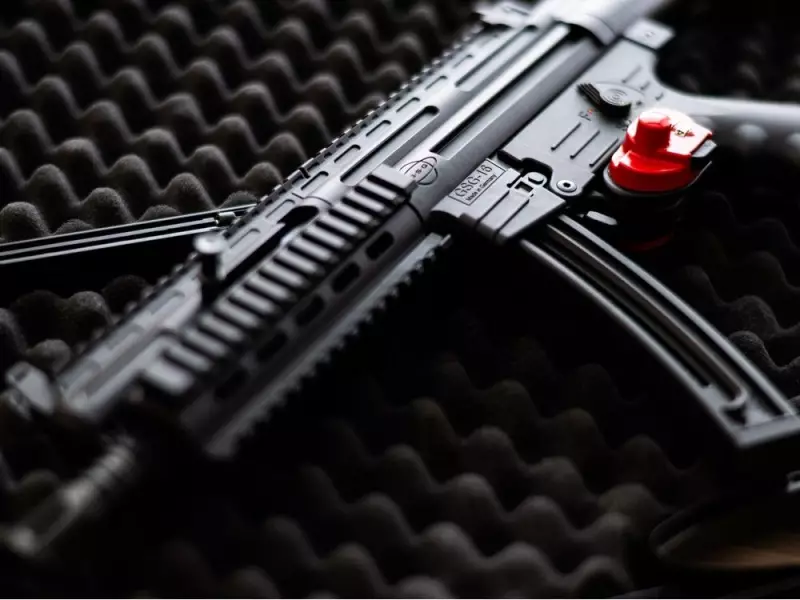
In a technical briefing, officials from Public Safety Canada confirmed that approximately $250 million has been set aside for payments. This fund is expected to cover compensation for up to 136,000 firearms from the over 2,500 makes and models banned by the government. The compensation amount for individuals will be determined based on the date their declaration was submitted.

Real Deadlines and Legal Consequences
"The deadlines are real," Anandasangaree warned. "Please heed them." Beyond the March deadline for compensation declarations, all owners of listed firearms face a broader legal deadline. Regardless of participation in the buyback, they must turn their firearms over to local police or have them permanently deactivated by the end of October, when a protective amnesty period expires.
Failure to comply by the October deadline will expose owners to potential consequences, including the revocation of their firearms license. The minister reiterated this point to ensure gun owners understand the seriousness of the timeline.
Provincial Cooperation and Political Context
The launch event in Montreal included a poignant reference to the 1989 École Polytechnique shooting, where a gunman used a Ruger Mini-14—a model banned in 2020—to kill 14 women. Anandasangaree was joined by Nathalie Provost, a survivor of that attack and now the Secretary of State for nature, who has been a long-time advocate for gun control.
On the logistical front, provincial cooperation has been mixed. To date, only Quebec has committed to assisting the federal government with collection efforts, signing a $12-million agreement for coordination work. Ontario, Yukon, and Manitoba have rejected participation. The minister noted that "technical legal challenges" are also present in Saskatchewan and Alberta, where provincial governments have taken legislative steps to oppose the federal program.
Once a declaration is submitted, participating gun owners will receive information in the spring about how and where to surrender their firearms. The program marks a significant step in the federal government's effort to remove what it deems too dangerous for public use from Canadian communities.