FBI Director Kash Patel Faces Backlash Over Olympic Celebration
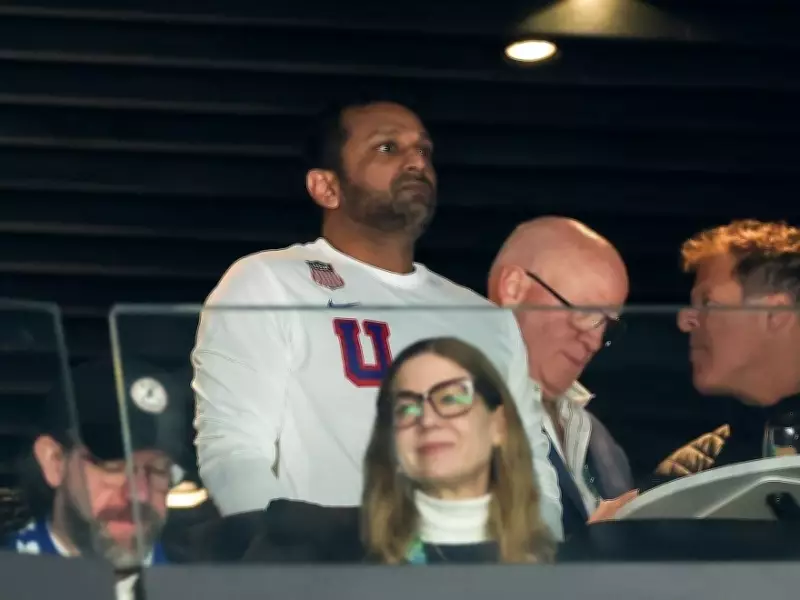
FBI Director Kash Patel is publicly defending his decision to celebrate with the Olympic gold-winning U.S. men's hockey team, after video footage of him drinking beer and cheering with players sparked significant online criticism. The controversy erupted as Patel participated in locker-room festivities following Team USA's historic victory over Canada, marking the first American men's Olympic hockey gold in 46 years since the 1980 "Miracle on Ice."
Patel's Defense and Historic Context
In a post on X, Patel expressed that he was "extremely humbled" by the invitation from the team to join their celebration. He emphasized his patriotism, stating, "For the very concerned media – yes, I love America and was extremely humbled when my friends, the newly minted Gold Medal winners on Team USA, invited me into the locker room to celebrate this historic moment with the boys- Greatest country on earth and greatest sport on earth." This victory is particularly notable as it breaks a decades-long drought for the U.S. in men's Olympic hockey, reviving memories of the iconic 1980 win against the Soviet Union.
Criticism and National Security Concerns
However, critics have labeled Patel's actions as inappropriate, arguing that his participation in boozy celebrations was ill-timed given other pressing national security issues. At the time, news was emerging about an armed man at former President Donald Trump's Mar-A-Lago estate and increasing drug cartel violence affecting Americans in Mexican tourist hotspots. Xochitl Hinojosa, a CNN political commentator and former Department of Justice public affairs director, criticized Patel on X, writing, "There was a threat at the president’s residence at MAL, Americans in Mexico are facing major threats by cartel members, Nancy Guthrie is still missing, and our FBI Director thinks he’s a frat bro?!"

Additionally, Colorado Democrat Representative Jason Crow called the trip "grift," alleging misuse of taxpayer funds. He posted on X, "The grift & corruption is unreal. Your taxpayer dollars funding the FBI Director’s Italian vacation." This backlash highlights concerns over the prioritization of celebratory events during a period of heightened security threats.
FBI's Response and Official Duties
The FBI has denied accusations that Patel was on a personal trip, clarifying that his visit to Italy was planned months in advance for official duties. According to the agency, Patel played a major role in Olympic security, meeting with Italian law enforcement officials and the U.S. ambassador to Italy. This statement aims to counter claims of impropriety by framing the celebration as a minor part of a broader security mission.
Patel's trip occurred during a busy period for the Department of Justice, with the FBI involved in multiple high-profile cases. For instance, the State Department issued a shelter-in-place warning for Americans in Mexico after authorities killed a cartel kingpin, and the FBI is assisting in the search for Nancy Guthrie, mother of NBC News anchor Savannah Guthrie, who has been missing for over three weeks. These ongoing investigations underscore the critical responsibilities of the FBI director, adding fuel to the debate over his public celebrations.
Broader Implications and Public Perception
The incident raises questions about the balance between professional conduct and personal expressions of patriotism for high-ranking officials. While Patel's defense centers on celebrating a national achievement, critics argue that such visibility could undermine public trust during times of crisis. As the FBI continues to navigate complex security challenges, this episode may influence perceptions of leadership and accountability within the agency.
In summary, FBI Director Kash Patel's celebration with the U.S. Olympic hockey team has ignited a heated discussion on appropriateness and timing, set against a backdrop of significant national security concerns. His defense highlights the historic nature of the victory, but the criticism reflects broader anxieties about leadership priorities in an era of global threats.