DHS Official Pledges No ICE Presence at 2026 Midterm Polling Places
In a recent conference call with state election officials, Heather Honey, a Department of Homeland Security (DHS) official, firmly stated that Immigration and Customs Enforcement (ICE) agents will not be present at polling locations during the 2026 midterm elections. According to two officials who participated in the call, Honey emphasized that any claims suggesting otherwise constitute disinformation. The call was organized by five federal agencies involved in election protection and monitoring, highlighting ongoing efforts to secure the electoral process.
Messenger's Background Sparks Skepticism Among State Leaders
Arizona's Democratic Secretary of State, Adrien Fontes, who raised the question about ICE as a potential intimidating factor, reported that Honey delivered a strong denial. However, Fontes expressed deep concerns about Honey's credibility, citing her history as an election denier who supported former President Donald Trump's attempts to overturn the 2020 election results. "She's the absolute wrong messenger to guarantee to us that ICE is not going to be at polling places," Fontes told HuffPost, adding that her background made him skeptical of the assurance.
Fontes noted that Honey's appointment to work on election security has been controversial, given her past activism in advancing false claims about Arizona's elections in 2020 and 2022. This skepticism is compounded by Honey's previous false assertions on DHS election policy, such as misleading statements about voter registration data usage in 2025, as reported by Democracy Docket.

Trump Allies' Calls for ICE Presence Fuel Voter Intimidation Fears
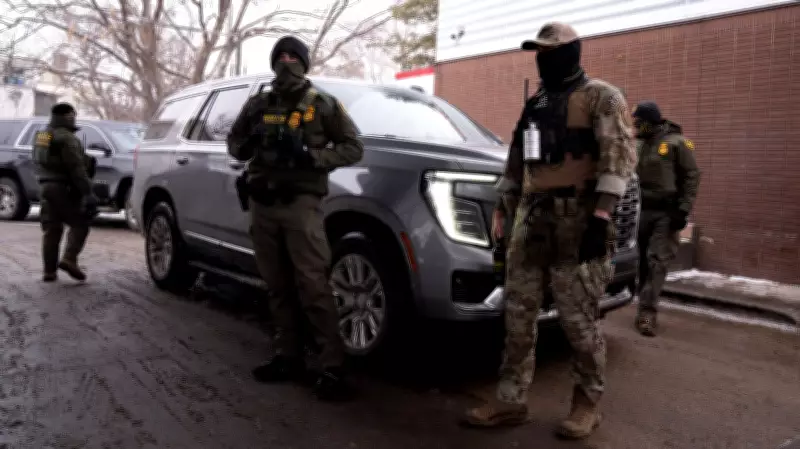
The assurance comes amid heightened concerns from advocates about voter intimidation, fueled by calls from Trump allies for ICE to appear at polls. For instance, former Trump advisor Steve Bannon declared on his podcast in February, "You're damn right we're going to have ICE surround the polls come November," raising alarms about potential disruptions. These statements have contributed to fears that ICE could be used to deter voters, particularly in immigrant communities, during the upcoming elections.
Additionally, the broader context of ICE and Customs and Border Protection (CBP) carrying out mass deportation programs has led to worries about their possible presence at polling places, despite Honey's reassurances. This backdrop underscores the tension between federal promises and grassroots apprehensions.
Mixed Reactions from State Officials on Policy Pledge
While some officials remain doubtful, others on the call viewed Honey's statement as a positive step. Minnesota Secretary of State Steve Simon, a Democrat, expressed encouragement, stating, "I was encouraged by the pledge that ICE agents would not be in and around polling places. We assume that this is a pledge that all Americans can count on." This highlights a divide in trust among election administrators, with some hoping the pledge reflects genuine DHS policy.
However, Fontes pointed out another concerning aspect: Honey and a Department of Justice representative refused to affirm that states hold ultimate control over election administration under the Constitution, absent congressional legislation. This refusal aligns with Trump's executive orders, which have sought to impose voter identification and proof-of-citizenship requirements but have been halted by courts. "That was really, really disturbing," Fontes remarked, indicating ongoing disputes over federal versus state authority in elections.
Routine Coordination Amid Election Security Efforts
The rest of the call proceeded as usual, with federal agencies outlining the services they offer to support election security. Topics included coordination strategies to counter threats at polling locations and investigate civil rights violations, reflecting standard pre-election preparations. Despite the routine nature, the discussion around ICE and constitutional authority injected significant controversy into the proceedings.

DHS has not yet responded to requests for comment on the matter, leaving questions unanswered about the consistency and enforcement of Honey's statements. As the 2026 midterms approach, the interplay between federal assurances, historical disinformation, and state-level trust will likely continue to shape the electoral landscape.