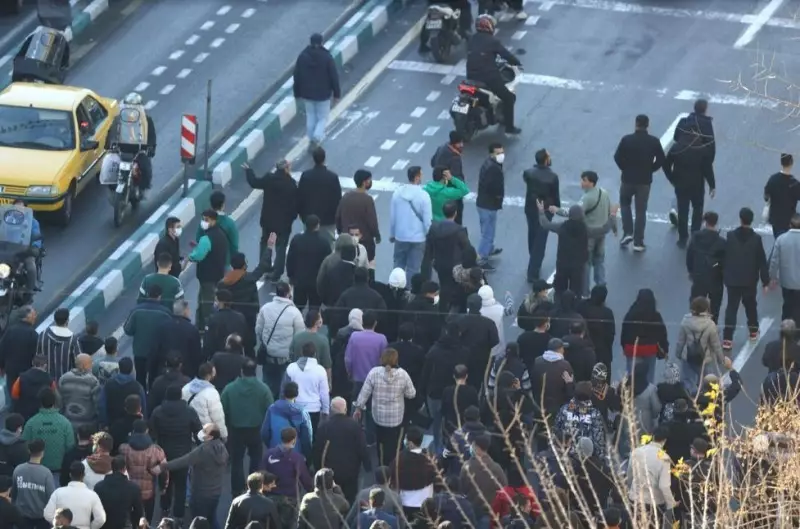
Deadly confrontations between Iranian security forces and demonstrators intensified over the weekend, marking a second week of widespread unrest initially sparked by soaring living costs. Human rights monitors and local media reported fresh fatalities as the protest movement, which began with a shopkeeper's strike in Tehran on December 28, shows no signs of abating.
Mounting Toll and Geographic Spread
According to a toll compiled from official reports, at least 12 people have been killed since the demonstrations began, a figure that includes members of the security forces. The protests have now touched 23 out of Iran's 31 provinces, affecting at least 40 different cities, most of them small to medium in size, based on an AFP tally.
Overnight protests featuring slogans critical of the country's clerical leadership were reported in the capital Tehran, the southern city of Shiraz, and in western regions where the movement has been most concentrated, according to the U.S.-based Human Rights Activists News Agency (HRANA).

Minority Regions Bear Brunt of Violence
The latest wave of dissent has been notably fierce in western areas with large populations of Kurdish and Lor minorities. The Norway-based Hengaw rights group reported that on Saturday, Revolutionary Guards opened fire on protesters in Malekshahi county, within Ilam province, killing four members of Iran's Kurdish minority.
Hengaw stated it was verifying reports of two additional deaths and said dozens more were wounded. The group further accused authorities of raiding the main hospital in Ilam city to seize the bodies of slain protesters. The Iran Human Rights NGO, also based in Norway, corroborated the death toll of four and reported 30 wounded after security forces attacked the protests.
Both organizations published footage, later verified by AFP, showing what appeared to be bloodied corpses on the ground. Iranian state media presented a different account; the Mehr news agency mentioned a Revolutionary Guard killed in a confrontation with "rioters," while Fars news agency reported "two assailants" died when rioters attempted to storm a police station.
A New Challenge for the Regime
These protests represent the most significant domestic unrest in Iran since the massive 2022-2023 movement triggered by the death of Mahsa Amini. While the current demonstrations have not yet reached that scale, they pose a new and serious challenge for Supreme Leader Ayatollah Ali Khamenei, who is 86 and has held power since 1989.
The crisis comes on the heels of a damaging 12-day war with Israel in June, which resulted in strikes on nuclear infrastructure and the deaths of key security officials. The protests, rooted in economic grievance but quickly adopting political slogans, test the regime's stability at a sensitive time.
Sporadic demonstrations continued in various districts of Tehran on Saturday night, indicating the unrest's persistence even in the heart of the capital. As the situation develops, international human rights organizations continue to warn of escalating violence and the targeting of minority communities.