

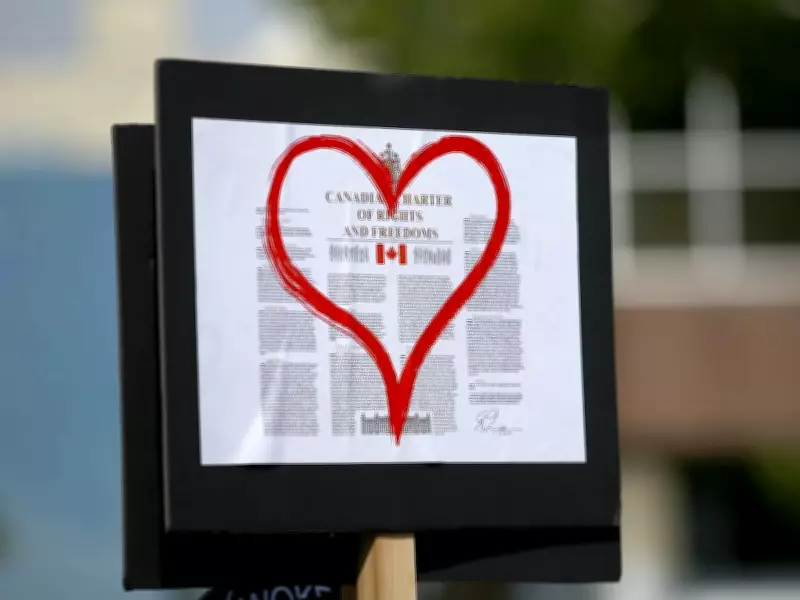
Bill C-9, the Combating Hate Act, which passed the House of Commons this spring, has sparked controversy due to widespread fears that its broad definitions of hate speech and intimidation threaten fundamental democratic rights. Almost everyone opposes incitement to group hatred, but almost everyone also supports the widest definition of freedom of human conduct that does not lead to chaos or promote sociopathic behavior. Opponents of C-9 are particularly concerned about the removal of Criminal Code protection for individuals acting in good faith when reciting religious texts that could be construed as incitements to hate, even if unintentionally.
Civil Liberties Concerns
The Canadian Civil Liberties Association (CCLA) and other civil rights advocates have expressed concern that the definitions of intimidation and obstruction in the bill are so broad that peaceful and otherwise irreproachable protesters may face severe prosecution for hate crimes simply for assembling near places of worship or other demonstration sites. Another delicate point is the extension of increased discretionary power to police by adopting a threshold for what constitutes incitement or expression of hate. There is particular concern over the bill's proposed removal of the requirement for the attorney general of the province to consent to a prosecution. It is understandable that many reasonable groups have serious reservations about leaving this power exclusively to the police, as neither the bill nor its official explanations provide a remotely satisfactory justification for unleashing police to indict whomever they wish.
Impact on Indigenous and Minority Communities
This concern has been particularly emphasized by Indigenous and some other racially identified communities. On this point, we see the classic abrasive intersection of those who fear themselves oppressed by hate-mongers and those who self-righteously claim mistreatment and fear being deprived of an adequate level of energetic protest. Many conservative politicians and centrist and conservative organizations object that the government is arbitrarily attempting to define what constitutes acceptable ideas and speech, infringing on freedoms guaranteed by the Canadian Charter of Rights and Freedoms and fundamental areas of liberty of expression. They fear that the effect of adopting and enacting this bill, whether intended or otherwise, will improperly subdue legitimate debate.

Rising Hate and Legislative Overreach
The CCLA notes that “antisemitism, Islamophobia, and racism are on the rise.” Certainly, antisemitism is on the rise, and militant Islam has a good deal to do with that. It is not as obvious that other forms of racism are increasing in extent or intensity in Canada, and to some extent, the disgusting increase in antisemitic activity is being masked behind a mistakenly perceived antagonism to various minority groups. Jews are the chief victims, and other minorities, including Indigenous people, have not been unsympathetically treated. Canada has shown Job-like patience in tolerating the defamation of our founding European peoples and the demonization of the chief founder of this country, John A. Macdonald, who also accorded Indigenous people the right to vote, among many other munificent acts.
The CCLA certainly supports protection for all legitimately concerned groups but debunks Bill C-9 as handing “the government a blunt instrument that history tells us will be turned against the very people it is supposed to help.” The CCLA purported to speak for more than 40 organizations representing various communities united by their concern about the pending legislation. It demands that language be made much more precise to prevent the capricious and unjust criminalization of peaceful protests and the gagging of legitimate, if unrepresentative, expression. It chastised the relevant parliamentary committee for making no serious effort to improve the bill and, in fact, worsening it by striking out the Criminal Code’s deference to the excuse of good faith recitation of acceptable if aggressive religious opinions. The CCLA makes the excellent point that any legal changes affecting freedom of expression deserve careful consideration and that the government failed in this duty by forcing an over-hasty procedure of approval at the committee stage.






