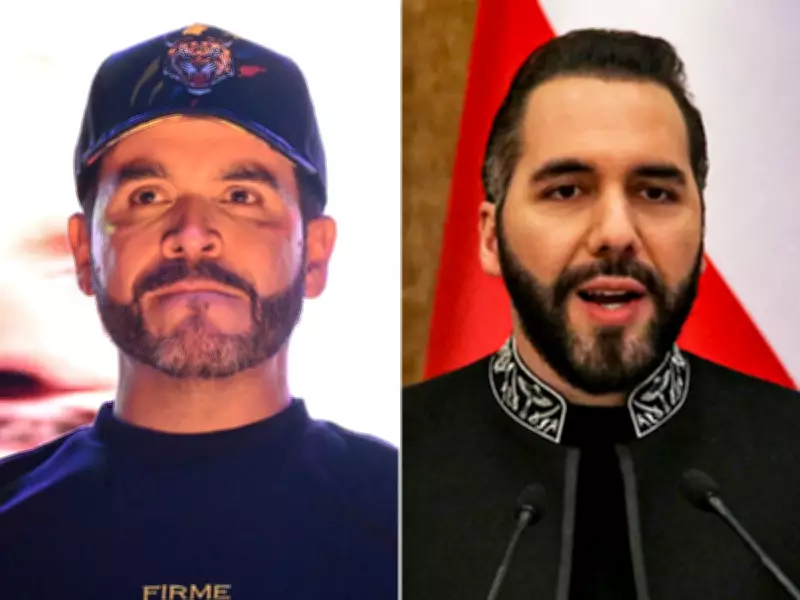
Colombian independent candidate Abelardo de la Espriella, who closely mirrors El Salvador's hardline President Nayib Bukele in both appearance and policy, is gaining traction among conservative voters frustrated by rising violent crime and growing public debt.
The Rise of 'El Tigre'
De la Espriella, nicknamed 'El Tigre' for his unyielding demeanor and reputation as a fierce criminal lawyer, promises to eradicate corruption with an iron fist and dismantle criminal organizations permanently. His advocacy for megaprisons has drawn direct comparisons to Bukele, while his pledges to 'gut the left' and cut public spending echo the approach of Argentina's President Javier Milei.
Admiration for Bukele
De la Espriella has openly expressed admiration for Bukele, attending his 2024 inauguration in El Salvador and later calling the country 'the best example in the world of what a country can achieve.' Beyond politics, the two share a similar personal style: tailored suits, slicked-back hair, and signature goatees.

Political Outsider
As the only frontrunner never to have held public office, de la Espriella positions himself as an outsider. He leverages his background as a high-profile criminal defense attorney for celebrities and politicians, with four law offices in Colombia and the United States. His campaign website, Defenders of the Homeland, urges supporters to join his fight to save Colombia.
According to Juan Nicolas Garzon, a law and politics professor at Bogotá's La Sabana University, de la Espriella 'has tried to present himself as a kind of outsider – someone who does politics, but isn’t in politics.' This is reflected in slogans referring to 'los nunca' – those who have 'never stolen a peso of public money, never asked for anything for free, never lived off the state.'
Election Context
With violence at its highest since the 2016 peace accords with FARC rebels, Colombians head to the polls on May 31. De la Espriella's running mate, José Manuel Restrepo, stated that the candidate 'understands that politics today is not done in the same old ways or with the logos of traditional political parties.'