Children Represent Half of Haiti's Gang Membership as New Foreign Force Arrives
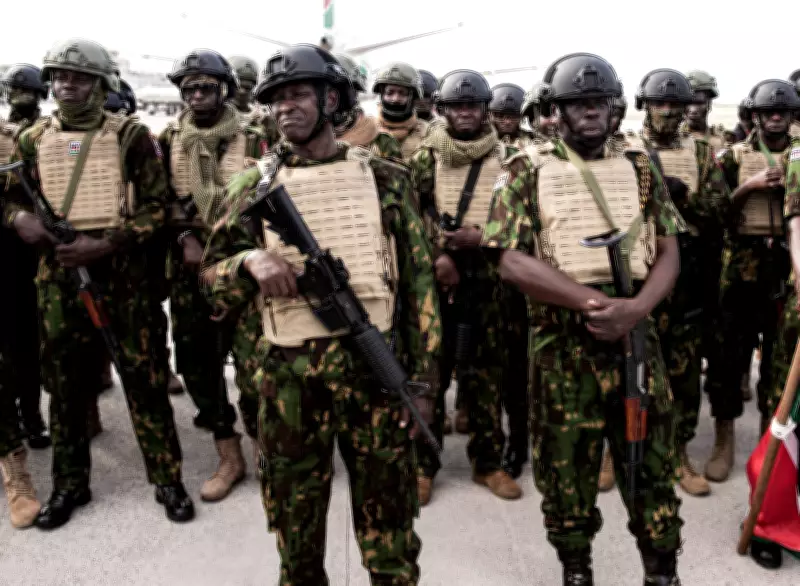
In a stark revelation about the ongoing crisis in Haiti, it has been confirmed that children make up approximately 50% of the country's gang members. This troubling statistic emerges as a new multinational police force, spearheaded by Kenyan officers, has begun deploying to the Caribbean nation to address the escalating violence and instability.
Multinational Intervention Led by Kenya
The first contingent of Kenyan police officers arrived at Toussaint Louverture International Airport in Port-au-Prince in early December, marking the initial phase of a broader international effort to restore order. This force is part of a United Nations-backed initiative to support Haiti's overwhelmed national police in combating armed groups that have taken control of significant portions of the capital and other regions.
The deployment comes at a critical juncture, with gang violence having plunged Haiti into one of its worst humanitarian crises in decades. Reports indicate that gangs have expanded their recruitment efforts, targeting vulnerable youth in impoverished neighborhoods where economic opportunities are scarce and social services are virtually nonexistent.

Alarming Prevalence of Child Gang Members
According to analyses from humanitarian organizations and local observers, an estimated half of all gang members in Haiti are children, some as young as 10 years old. These minors are often coerced or lured into gang life through promises of protection, money, or a sense of belonging, reflecting the deep-rooted socio-economic challenges facing the nation.
"The recruitment of children into gangs is a devastating consequence of Haiti's collapse in security and governance," explained a regional conflict analyst. "Many of these kids have lost family members to violence or have been displaced from their homes, leaving them with few alternatives for survival."
The involvement of children in armed groups complicates the security response, as international forces must navigate complex ethical and operational dilemmas. The use of child soldiers is a violation of international law, and any confrontation with these young combatants raises serious human rights concerns.
Humanitarian and Operational Challenges
The arrival of the Kenyan-led force introduces new dynamics into Haiti's volatile landscape. While the mission aims to disarm gangs and create conditions for political stability, the high proportion of child members poses significant challenges:
- Risk of civilian casualties: Operations against gangs with many child members increase the potential for harm to minors, which could undermine public support for the intervention.
- Reintegration needs: Successful disarmament will require robust programs to rehabilitate and reintegrate former child combatants into society, a process that demands substantial resources and long-term commitment.
- Legal and ethical considerations: International forces must adhere to strict protocols regarding the treatment of child soldiers, balancing security objectives with humanitarian imperatives.
Local communities have expressed mixed reactions to the foreign deployment. Some residents welcome the prospect of increased security, while others fear that military action could exacerbate violence or lead to further human rights abuses. The situation remains fluid, with ongoing negotiations between Haitian authorities, international partners, and civil society groups to define the scope and rules of engagement for the multinational force.
Broader Context of Haiti's Crisis
Haiti has been grappling with political turmoil, economic collapse, and natural disasters for years, creating a fertile ground for gang proliferation. The assassination of President Jovenel Moïse in 2021 deepened the power vacuum, allowing armed groups to expand their influence and control over key infrastructure, including ports and highways.

The international community's response has been cautious, with previous interventions in Haiti facing criticism for their limited effectiveness and unintended consequences. The current mission, authorized by the UN Security Council, emphasizes a phased approach focused on supporting Haitian institutions rather than imposing foreign control.
As the Kenyan police and other multinational units establish their presence, all eyes are on Port-au-Prince to see whether this latest effort can stem the tide of violence and address the root causes that drive children into gang life. The outcome will not only shape Haiti's future but also test the international community's ability to manage complex crises involving vulnerable youth in conflict zones.