Just as the old adage warns "you are what you eat," emerging scientific evidence suggests you might also become like the reality television programs you consume. According to sociological research, these shows can significantly alter what viewers believe and how they perceive the world around them, whether they consciously realize it or not.
The Active Consumption of Reality Television
Contrary to the assumption that viewers are passive receptacles for reality TV content, sociologist Danielle J. Lindemann explains that people engage with these programs actively and learn from them in both positive and negative ways. "There's a lot of research that shows people are consuming these shows more actively and, whether good or bad, learning from the shows," Lindemann told CNBC Make It.
This phenomenon raises important questions about the millions who follow dramatic franchises like Real Housewives, romantic narratives in The Bachelor, or competitive series such as Big Brother, The Traitors, Survivor, and Love Island. While most viewers won't develop extreme fantasies or "main character syndrome"—the unofficial term for believing oneself to be perpetually the most important person in any room—they often watch to gain perspective on their own lives.

Empathy: The Double-Edged Sword
One of the most significant ways reality television can alter behavior is through its impact on empathy levels. A 2024 study published in the journal Collabra: Psychology found that people become more accepting of marginalized populations in direct proportion to their familiarity with them through media representation.
Lindemann points to groundbreaking examples like Pedro Zamora, an openly gay participant living with AIDS on MTV's The Real World San Francisco in 1994. "This was huge to have a gay man on TV who wasn't just stereotyped," she noted. "He was just living his life, and you saw all sides of him. For a lot of people, that was the first queer person that they got to know on television. That changed people's perceptions, not only of gay people, but also of people living with AIDS at the time."
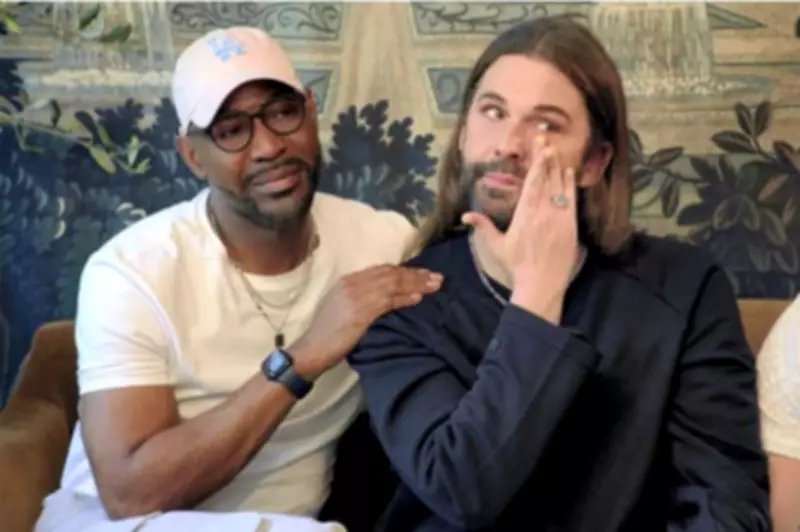
This legacy of compassion has extended to numerous reality programs featuring diverse groups, including the cast of Queer Eye for the Straight Guy and its Netflix reboot, individuals with obesity on My 600-lb Life, people with dwarfism on Little People, Big World, those with autism on Love on the Spectrum, and participants with complex disorders on shows like Intervention and Hoarders.
The Dark Side of Reality Portrayals
However, reality television can also foster prejudiced beliefs under certain circumstances. A 2012 experimental study published in the journal Obesity revealed that viewers who watched an episode of The Biggest Loser developed more negative attitudes toward overweight people compared to their predispositions before viewing.
"That's a really potent example of how even exposure to one episode of a reality show can really alter people's minds," Lindemann emphasized. The 2025 Netflix documentary Fit for TV: The Reality of The Biggest Loser further explores whether the program inspired genuine compassion or contempt among its audience.
Critical Viewing Takeaways
The implications of this research offer several important considerations for reality TV consumers. First, what appears on screen may or may not reflect genuine reality, as producers frequently edit backstories and character traits to fit predetermined storylines. Second, and perhaps most crucially, participants are real human beings with authentic emotions and lives that extend far beyond their televised personas.
As Lindemann, author of the 2022 book True Story: What Reality TV Says About Us, suggests, these insights represent concepts many viewers understand subconsciously—ideas that numerous former reality participants have discussed publicly over the years. The relationship between audience and programming proves more complex than simple entertainment, serving instead as a powerful socializing force that shapes empathy, attitudes, and worldviews in measurable ways.