Canadians in the Middle East Grapple with Fallout from Iran Strikes
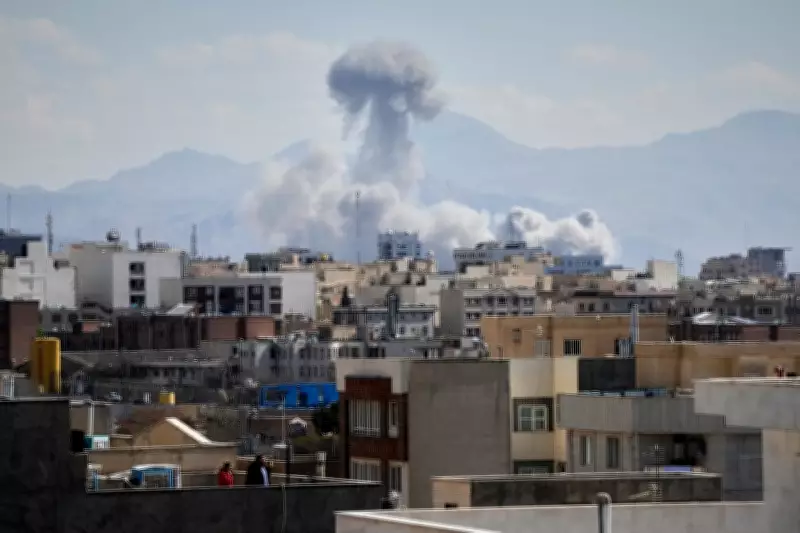
The geopolitical landscape of the Middle East has been dramatically reshaped following a joint military operation by the United States and Israel against Iran. This escalation, which resulted in the death of Iran's Supreme Leader Ayatollah Ali Khamenei after his 36-year rule, has sent shockwaves across the globe, with significant implications for Canadian citizens residing in or connected to the region.
Immediate Impact and Canadian Government Response
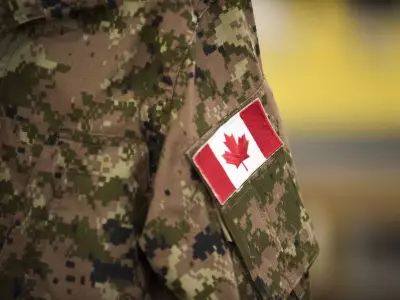
In the immediate aftermath of the strikes, which former U.S. President Donald Trump described as "major combat operations," the safety and security of Canadians abroad became a pressing concern. The Canadian government, through officials like Prime Minister Carney, has expressed explicit support for the actions, a stance analyzed as a "pretty explicit expression of support" by commentators. However, a retired Canadian general has indicated that Canada's military role in the ensuing conflict will be deliberately "limited," focusing likely on diplomatic and support functions rather than direct combat engagement.
This conflict, termed a "war of choice" by some analysts, differs markedly from past engagements. Military expert David Fraser noted, "It's a vast difference in the targeting than in the past," suggesting a more focused strategic approach by the U.S. and Israel. The human cost was underscored by reports of three U.S. service members killed and five wounded during the operations.

Reactions from Iranian-Canadian Communities
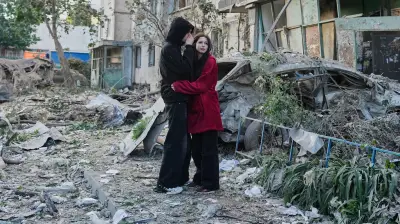
Across Canada, communities with ties to Iran have been processing these events with a complex mix of emotions. In Winnipeg, members of the Iranian community expressed that they had "been waiting for this for a long time," reflecting hopes for political change. Similarly, Iranians in Regina voiced optimism for the future of their homeland just hours after the supreme leader's death was confirmed.
Meanwhile, Iran's foreign minister has repeatedly asserted that the country's military remains intact and in place, attempting to project stability despite the leadership vacuum and external attacks. This assertion has been a consistent message in live updates following the strikes.
Broader Regional and International Ramifications
The attack has triggered international condemnation and protests. In Pakistan, at least nine people were killed when protesters stormed a U.S. Consulate, demonstrating the volatile regional backlash. World leaders have universally called for a return to diplomatic talks to de-escalate the situation.
On the economic front, the strikes have injected severe uncertainty into global markets, particularly affecting oil prices. Analysts warn of significant price swings in the coming week as supply chain fears mount. This economic dimension adds another layer of complexity to an already fraught geopolitical crisis.
Canadian Foreign Policy and Bilateral Relations
Canada's position has been clarified through statements from Defence Minister Anita Anand, who backed Qatar and the United Arab Emirates against potential Iranian retaliation. This aligns with Canada's broader strategic interests in the region. Concurrently, on other diplomatic fronts, Canada and India have reaffirmed a mutual desire for a free-trade agreement, as discussed during a trip by Prime Minister Carney, with India's High Commissioner to Canada downplaying previous tensions over foreign interference.
The situation remains fluid, with live updates continuing as events unfold. For Canadians in the Middle East, the advice is to exercise heightened caution, stay informed through official government channels, and register with Global Affairs Canada for emergency alerts. The long-term impact on diaspora communities and Canada's role in subsequent peacebuilding efforts will be closely watched in the days and weeks ahead.