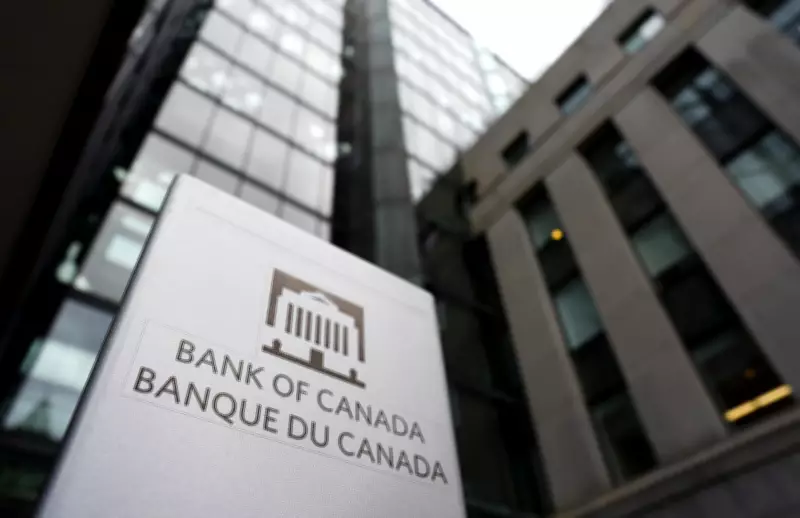
The Bank of Canada has cautioned against placing excessive emphasis on recent GDP figures that indicate the economy has entered a technical recession. In a statement released on June 1, 2026, the central bank highlighted that while the data shows two consecutive quarters of negative growth, other economic indicators suggest a more nuanced picture.
Understanding the Technical Recession
A technical recession is defined as two consecutive quarters of declining GDP. However, the Bank of Canada stressed that this metric alone does not fully capture the health of the economy. Factors such as employment rates, consumer spending, and business investment provide a more comprehensive view. The bank urged analysts and policymakers to consider a broader set of data before drawing conclusions about the economic trajectory.
Broader Economic Context
Despite the GDP contraction, certain sectors continue to show resilience. The labor market remains relatively strong, with unemployment rates staying low. Additionally, consumer confidence has not plummeted, and corporate investments are holding steady in some industries. The Bank of Canada noted that global economic conditions, including supply chain disruptions and geopolitical tensions, have contributed to the temporary downturn.

Governor Tiff Macklem emphasized that monetary policy decisions will not be based solely on GDP figures. Instead, the central bank will monitor inflation, employment, and global developments to determine the appropriate course of action. The bank remains committed to its inflation target and will adjust interest rates as needed to support economic stability.
Market Reactions
Financial markets have reacted cautiously to the news. The S&P/TSX composite index dipped by over 100 points, while oil prices edged higher. Investors are now looking ahead to upcoming economic releases for clearer signals on the economy's direction. The Canadian dollar weakened slightly against the U.S. dollar, reflecting uncertainty about the near-term outlook.
Expert Opinions
Economists are divided on the significance of the technical recession. Some argue that it is a statistical anomaly that does not reflect underlying weakness, while others warn that it could be a precursor to a more prolonged downturn. The Bank of Canada's measured response suggests that policymakers are leaning toward the former interpretation, but they remain vigilant for any signs of deterioration.
In conclusion, the Bank of Canada advises against putting too much weight on the GDP data alone. A comprehensive analysis of economic indicators is essential for understanding the true state of the economy and making informed policy decisions.