An alarming surge in antisemitic incidents across Canada, coupled with federal government policies perceived as hostile towards Israel, is creating a climate of fear for Jewish Canadians, with experts warning of the potential for escalating violence. The situation draws disturbing parallels to failures documented in Australia prior to the deadly Bondi Beach terror attack.
A Troubling Parallel: Lessons from Australia
The trajectory of rising antisemitism in Canada mirrors warnings that were issued for years in Australia. According to a December 2024 report in the Times of Israel, Australian Jews experienced more than 2,000 anti-Jewish incidents in the year following Hamas's October 7, 2023, terrorist attack on Israel. This marked a quadrupling from the 495 incidents recorded the previous year.
In the period leading up to the Bondi Beach massacre, which targeted Jews celebrating Hanukkah, Australia saw synagogues firebombed, Jewish homes vandalized with swastikas, a kosher deli torched, and an arson attack on a childcare centre adjacent to a Jewish school.

The Canadian Reality: Record Incidents and Targeted Harassment
In Canada, a similar pattern of hatred has taken root. Data from B’nai Brith’s annual audit on antisemitism reveals a 125% increase in online and face-to-face harassment, vandalism, and violence against Jews. The number of incidents soared to a record 6,219 in the past year, up from 2,769 in 2022.
Specific incidents across the country include Jewish mezuzahs being ripped from doorways in a city-owned seniors' home, shootings at Jewish day schools, threats against Jewish university students, and widespread vandalism of synagogues, homes, and businesses.
Government Policy and Demographics Fueling the Climate
Critics argue that the federal government's Middle East policy has contributed to an environment where antisemitism can flourish. The article points to three instances where Hamas—designated a terrorist entity by Canada since 2002—praised Canadian government actions.
These include Canada's vote for a UN ceasefire resolution in December 2023, threats of "concrete actions" against Israel in May, and Prime Minister Mark Carney's recognition of the state of Palestine at the UN in September 2024. Hamas described the latter as the "fruits" of its October 7 attack.
The analysis suggests domestic political calculations are at play. It cites former foreign affairs minister Melanie Joly telling former NDP leader Tom Mulcair that her views on the Middle East are influenced by the demographic makeup of her Quebec riding. Nationally, the latest census shows 1.78 million Muslims compared to 335,000 Jews.
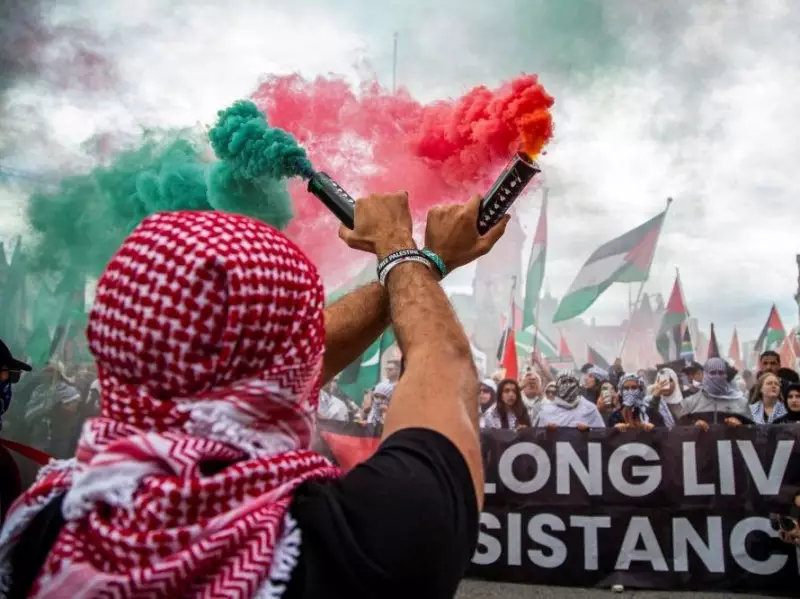
While Prime Minister Carney has pledged to arrest Israeli Prime Minister Benjamin Netanyahu under an ICC warrant, he also states that Israel's actions are not a reflection on Canadian Jews. However, the article contends that "pro-Palestinian" protesters make that direct link "with impunity," often marching into Jewish neighbourhoods without consequence—a failure attributed primarily to municipal governments and police.
The combination of record-setting hate incidents, a foreign policy stance seen as antagonistic toward Israel, and the emboldenment of protesters creates a foreboding outlook. The warning from security experts is clear: without effective action, the current climate risks escalating into a major terrorist attack, following a path tragically witnessed in Australia.