

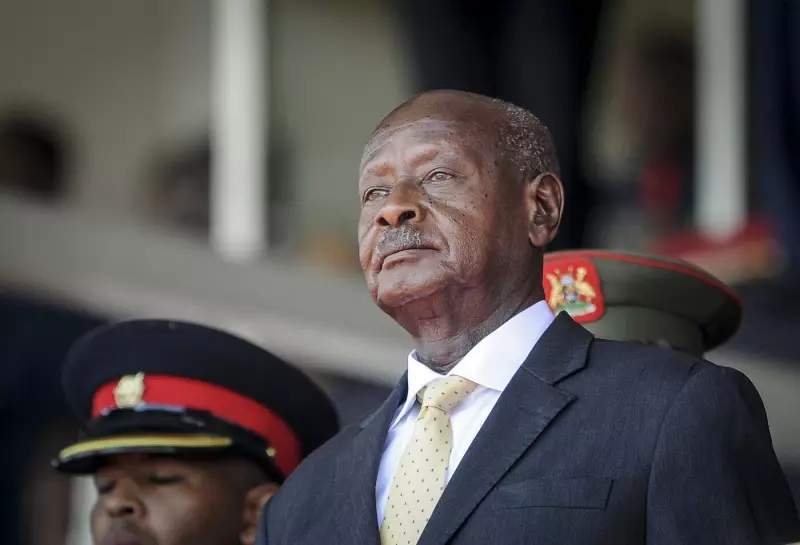
Uganda's long-serving leader, Yoweri Museveni, has been declared the winner of the country's presidential election, securing a seventh consecutive term in office. The announcement, made on January 17, 2026, was immediately met with rejection from opposition groups who cited electoral irregularities.
Decades of Power Extended
Official results confirm that Museveni, who first came to power in 1986, will extend his rule over the East African nation. The election, which took place earlier in the week, was closely watched by international observers. Museveni's main rival, along with other opposition figures, has refused to accept the legitimacy of the vote.
The opposition claims the process was marred by widespread issues, including voter intimidation, internet shutdowns, and unequal media access. They have called for an independent audit of the results and urged their supporters to remain peaceful but resolute in their dissent.

Regional Stability and International Reaction
Museveni's continued leadership has significant implications for regional stability in East Africa, where Uganda plays a key role in security and diplomatic affairs. The country is a major contributor to African Union peacekeeping missions and has been a strategic partner for Western nations on counter-terrorism, though its domestic politics have often drawn criticism.
International reactions are beginning to trickle in, with calls for calm and for any grievances to be addressed through legal channels. The situation remains tense in the capital, Kampala, and other urban centers, with a heightened security presence reported.
A Political Landscape Defined by One Leader
This election result solidifies Museveni's position as one of Africa's longest-serving rulers. His tenure has seen periods of relative economic growth and stability, but also persistent accusations of authoritarianism, corruption, and the erosion of democratic norms. The rejection of the results by the opposition sets the stage for continued political friction in the coming months.
Analysts suggest that how the government handles the post-election discontent will be a critical test. The focus now shifts to whether the legal challenges posed by the opposition will be heard and whether public demonstrations will emerge.






